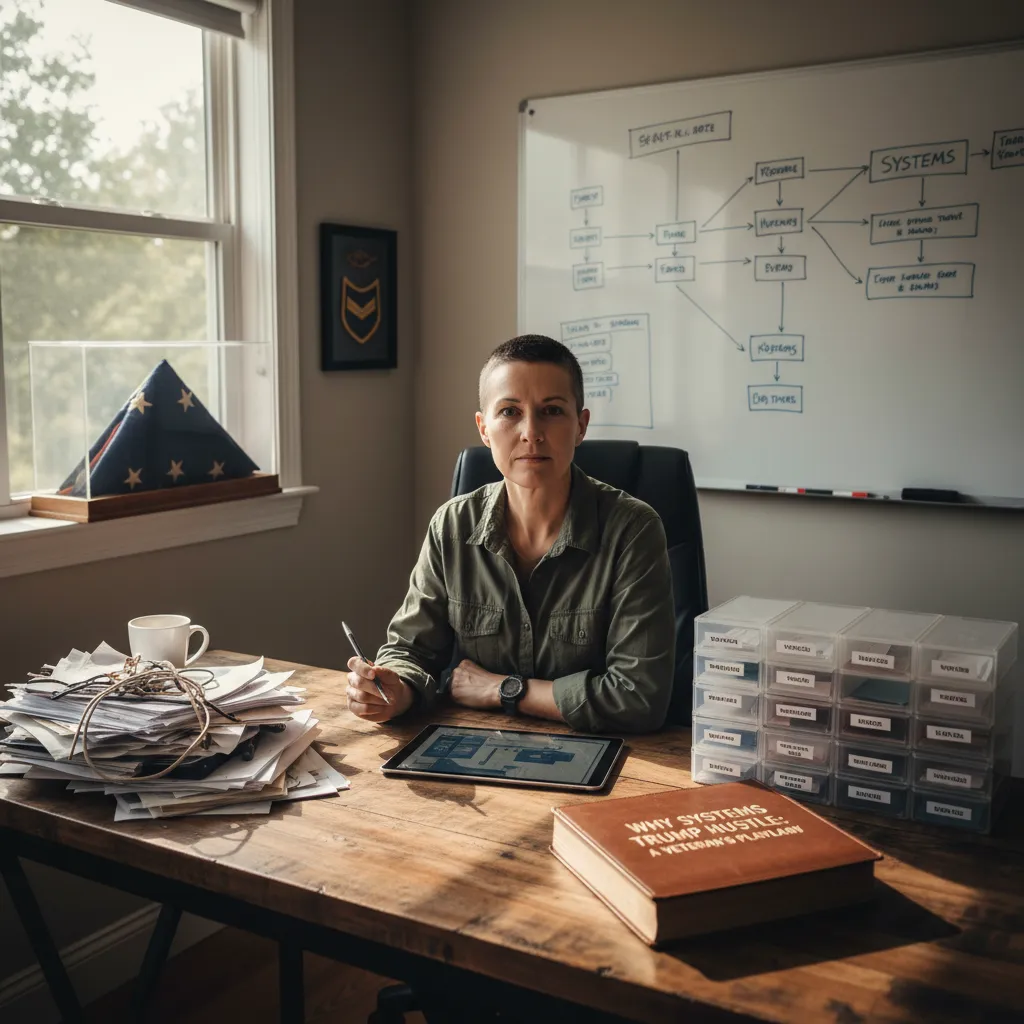
Why Systems Trump Hustle: A Veteran’s Playbook
I remember my first week after leaving active duty: I treated my fledgling online business like guard duty — post content, patrol inboxes, repeat. It felt important, even noble. Then I missed one day, and everything stopped. That moment — raw, embarrassing — taught me the most valuable lesson: if your income dies when you sleep, you still have a job, not a business. In this post I’ll tell stories I lived (and invented, because storytelling sticks), explain how systems differ from hustle, and give a compact, repeatable stack you can build before the new year.1) The Real Reason You’re Tired: Hustle vs OverloadI used to think Hard Work meant I was winning. If my calendar was packed and my phone never stopped buzzing, I told myself I was “building my online business.” But the truth showed up in my body first: short sleep, short temper, and that heavy feeling like I was always behind.That’s when I realized something that hit harder than any critique: I wasn’t lazy. I was overloaded.Hustle Gives Fast Feedback (and That’s the Trap)Hustle feels good because it answers you right away. Post today, get a like. Message people, maybe get a reply. It’s quick feedback, and it can look like progress. But it also creates a business that depends on daily effort to survive.Post today or disappearMessage people or make nothingMiss a day and everything stopsThat’s not Flexible Working Hours. That’s digital guard duty. And in an online business that can run 24/7, it’s painful to realize you’re the only part that’s “always on.”Systems Vs Hustle: What Veterans Already KnowIn the military, no mission runs on vibes and motivation. We don’t “feel” our way to the objective. We rely on clear processes, defined roles, and repeatable actions. That’s why the work gets done even when people are tired, stressed, or operating in chaos.Business is the same. If your income stops when you stop… you don’t have a system yet.Motion Isn’t Leverage“Systems create leverage; hustle creates motion. Build processes that work when you don't.” — Pat FlynnThat quote helped me name what I was missing. Hustle can start a business, but systems are what make it sustainable. Systems are how you earn without being chained to your screen, and how Flexible Working Hours becomes real instead of a sales line.2) What a System Actually Is (and Why It Matters)When I first started building an online business, I treated every day like a patrol. Wake up, post something, message people, chase the next sale. If I slowed down, everything slowed down. That’s when it hit me: I didn’t have Business Systems. I had a job with a Wi-Fi signal.Jocko Willink: "Discipline equals freedom — systems are discipline turned into leverage."A System Runs Without Constant AttentionTo me, a system is simple: a process that keeps working even when I’m not watching it. Not forever, not perfectly—but without constant attention. That’s the difference between “busy” and “built.”Here are three examples I use because they create real Automation Opportunities:Evergreen content that brings traffic long after postingFunnels that collect leads automatically while I’m offlineAutomated emails that sell without manual follow-upsIf my income stops when I stop, I don’t have a system yet. I have hustle.Email Management: Where the Leverage LivesEmail Management is where I saw the biggest shift. One solid email sequence can welcome a new subscriber, build trust, and offer a product—without me sending a single “just checking in” message.And here’s the part most people miss automation doesn’t just save time. It lowers costs. When tools handle follow-ups, delivery, and tracking, I don’t need extra staff or physical infrastructure to keep things moving. Plus, automation tools can run 24/7, which means instant delivery of Digital Products even while I sleep.Tools That Make It Real (Not Theoretical)I don’t rely on motivation. I rely on tools that do the repeatable work:Zapier: connects apps so actions happen automatically (like tagging leads or sending files)ActiveCampaign: automated email sequences, segmentation, and follow-up logicZoho: automates financials, payments, invoicing, and client communications effectivelyThat’s how Passive Income starts to feel real: not because I “work less,” but because I build once—and the system keeps operating.3) The Shift That Changes Everything: From Daily to DurableFlexible Working Hours Start with a Better QuestionFor a long time, my Online Business ran like a watch schedule. Wake up, post, reply, pitch, repeat. If I missed a day, the whole thing felt like it stalled. That wasn’t Flexible Working Hours. That was a digital duty roster.The shift happened when I stopped asking, “What do I need to do today?” and started asking, “What can I build once that works every day?” Asking constructively like that steers the project toward repeatable systems and away from time-for-money traps. It turns your Online Business from maintenance into construction.Location Independence Comes from Durable AssetsI learned this the hard way. I was treating my Side Hustle like a daily performance. Post today or disappear. Message people or make nothing. That’s not Location Independence. That’s being chained to Wi‑Fi.So, I ran an experiment: I swapped my daily posting habit for one focused build—a single funnel. One landing page, one lead magnet, one email sequence. I still created content, but only to feed the funnel. Within one month, I had my weekends back. My Online Business didn’t need me every day to keep moving.Pat Flynn: "Build once, optimize often. That's how small launches turn into steady revenue."Market Entry Is Low—So Treat It Like a Real BusinessThe Market Entry is low for freelancing and affiliate models, which is great—until you mistake “easy to start” for “easy to sustain.” If you want Flexible Working Hours and real Location Independence, treat the Side Hustle like a real Online Business from day one.Build once: one traffic source you can repeat for your Online BusinessCapture: one funnel that collects leads automaticallyNurture: one email sequence that builds trust and sellsHustle can start an Online Business. Systems are what let it scale—without stealing your life.4) Simple System Stack to Start With (Build This Now)When I first tried to go Profitable Online, I treated it like a daily patrol: post, pitch, repeat. It worked—until I missed a day. Then everything went quiet. That’s when I stopped chasing hustle and built a simple stack I could run with Fast Set Up and Low Overhead.Pat Flynn: "Simplicity wins. One reliable funnel beat ten half-built ideas."1) One Traffic Source You Can Repeat (Fast Set Up)Pick one channel you can maintain even on your worst week. For me, that meant one platform and one content format. Online is powerful because you don’t need rent, utilities, or a storefront—lower operating costs are the advantage. But only if you stop spreading yourself thin.Choose one: YouTube, a blog, LinkedIn, or short-form video.Choose one rhythm: 2 posts/week you can keep for 90 days.Choose one topic lane: one problem, one audience, one promise.2) One Funnel That Captures Leads (Low Overhead)Traffic is rented. Email is owned. Your funnel is how you turn attention into a list—without manual follow-ups. Keep it simple: lead magnet, landing page, thank-you flow. This is where Digital Products start to make sense, because you can sell the same asset again and again.Lead magnet: checklist, template, or short guide (1–2 pages).Landing page: low-cost page builder + one clear call to action.Thank-you page: deliver the freebie + offer a next step.Tool stack: a low-cost landing page tool + Zapier to connect forms to your email list.3) One Email Sequence That Nurtures Trust (Set It and Let It Sell)I use ActiveCampaign to write one short sequence that runs on autopilot. Side hustles can be profitable with low entry barriers, but I treat mine like a real business: no-fee accounts, mobile banking, and clean tracking from day one.Email 1: deliver the freebie + your storyEmail 2: quick win + common mistakeEmail 3: proof + simple frameworkEmail 4: offer your starter product5) Why This Matters Before the New Year (A Slightly Dramatic Plea)New Year Motivation Fades. Systems Don’t.I’ve watched it happen every year, in and out of uniform. Late December hits and everyone gets that surge: new goals, new energy, new plans. Then January shows up with real life—kids get sick, work gets busy, the weather turns, and the “fresh start” feeling fades. If your business depends on daily hustle, that fade isn’t just annoying. It’s expensive.That’s why I’m making this slightly dramatic plea: build the system before the motivation disappears. Automation tools and simple systems create durable income streams that can keep working when you’re tired, distracted, or just human. Motivation is a spark. Systems are the generator.“Plans and processes beat panic. Build the system before the deadline forces you to.” — Jocko WillinkPassive Income Starts with an Online Presence That Works While You SleepWhen people say Passive Income, they often picture some perfect setup that runs forever with zero effort. I don’t sell that fantasy. What I do believe in is building an Online Presence that keeps showing up even when you don’t—content that gets found, a funnel that captures leads, and emails that follow up without you hovering over your phone.This is how you earn Flexible Working Hours for real. Not by “working whenever you want,” but by building something that can operate 24/7 without your constant presence. And that’s the doorway to Location Independence, because an online business doesn’t care if you’re at home, on base, or visiting family for the holidays.Before January Hits, Treat This Like a Real BusinessIf it’s a side hustle, treat it like a real business anyway. That’s how you unlock lower operating costs and better financial tools—separate accounts, cleaner tracking, smarter decisions—so you’re not guessing your way through next year.My personal proof is simple: one year, right before a holiday break, I built a tiny funnel and a short email sequence. Nothing fancy. I left for a few days expecting silence. I came back to steady leads in my inbox. It felt like magic—but it wasn’t. It was a system doing its job while my motivation took a nap.TL;DR: Hustle gives short bursts; systems create sustained results. Build one repeatable traffic source, one lead-capturing funnel, and one email sequence. Veterans already know how to run on systems — use that skill to make your online business independent of your daily grind.
Allen Davis
Dec 29, 2025 • 9 Minutes Read

Dec 29, 2025
Selling Online Challenge: My 3-Day Sales Leap
I signed up the minute I saw the Boise livestream dates—January 6–8—because something about Russell Brunson's promise of 'one-to-many' selling felt like the shortcut I’d been hunting for. I’ll be honest: I was skeptical (who isn’t?), but the $100 limited offer—and the clear, step-by-step structure—made me commit. In this post I walk through what I learned, why it matters, who it's for, and what I’m implementing first.Why I Signed Up: A Personal SparkI signed up for the Selling Online Challenge because I hit a frustrating wall: my webinars were getting views, my offers were “fine,” but conversions were not. I kept tweaking headlines and slides, yet the results barely moved. When I saw the limited-time price drop to $100 (from $2,997), it felt like a low-risk experiment I could justify without overthinking.Honestly, I almost talked myself out of it. I hesitated for an extra hour and nearly missed the early-bird tier. But the combination of price and social proof pushed me over the line.Alex Lancuba: “They overdelivered—practical stuff you can implement immediately.”Amber Cerone: “Worth 100x the price—real results in days.”Russell Brunson’s Track Record Made Me Pay AttentionI’ve heard Russell Brunson mentioned for years, but this was the first time I looked closely. The idea that his “One To Many” method helped generate over $1,000,000,000 in online sales—and that he’s the founder of ClickFunnels—made me think this could be real Online Sales Training, not motivational fluff.The Dates and Times Were Clear (So I Could Commit)The event is streamed live from Boise, Idaho, running January 6–8, with sessions starting at 8:00 AM PT / 11:00 AM ET. That clarity mattered. I could block my calendar and show up like it was a real appointment with my business.I Wanted Steps I Could Use ImmediatelyThe agenda promised practical sessions each day—offers, messaging, stages, persuasion—built around the “one-to-many” framework. What I pictured was simple: replacing my 1:1 grind with scalable funnels that sell even when I’m not on calls.The Guarantee Removed the Last Bit of FearThe final nudge was the 100% satisfaction money-back guarantee. If it wasn’t valuable, I could email support@sellingonline.com and get a full refund. That made registering feel safe—and fast.Day-by-Day Breakdown: What I Learned Each MorningDay 1: One To Many Selling + Irresistible OffersEvery morning started at 8:00 AM PT, and I loved the structured agenda—five tight sessions that made it easier to remember and apply. Day 1 laid the base: Subconscious Success and Subconscious Selling Secrets helped me spot the hidden beliefs that leak into my copy, while Offer Secrets pushed me to tighten my promise into Irresistible Offers people actually want.The One To Many Selling Framework showed me how to sell without a traditional sales team, and Improv Webinars gave me a simple way to stay natural while still following a proven structure.Do this now: rewrite my offer headline + add one stronger proof point.Day 2: Building Stages, Creating a Starving Crowd, and a 7-Figure PitchDay 2 shifted from “what to say” to “where to say it.” Building My Own Stages and Crafting a Starving Crowd made me think about attention like an asset I can build daily. Then 2-Commas of Impact and Creating a 7-Figure Pitch broke down the pitch into parts I can swipe and adapt—more templates, less guessing.This is where I started mapping a Content Launch Funnel so my content leads naturally into the pitch instead of feeling random.Do this now: draft one email + one short post that points into my funnel.Day 3: Advanced Persuasion + “Wizard of Oz” Behind the CurtainDay 3 went deeper: Creating Your Movement and Winning Against The Odds helped me frame my message as a mission, not just a product. The PRIVATE “Wizard Of Oz Showing Behind The Curtain” session was the clearest look at how the pieces connect. Then Advanced Persuasion and The Most Important Thing tied mindset and tactics together.Rianne Strik: “Packed with actionable content—no fluff.”Do this now: run one A/B test on my page headline or call-to-action.The 'One To Many' Framework and ClickFunnels SoftwareOne To Many Selling: scale once, sell to manyWhat hooked me fast in the Selling Online Challenge was Russell’s One To Many Selling idea. Instead of hiring more closers every time I want more revenue, I build one clear path that can sell again and again. That’s the real promise of automation: more sales without exponentially more headcount.Russell backs it up with real-world proof—his strategies have driven $1,000,000,000+ in online sales. And he frames it in a way I can actually use, not just admire.Russell Brunson: "One-to-many is not magic—it's a repeatable machine when the message fits the moment."ClickFunnels Software: the tool that builds the machineThe framework is the brain, but ClickFunnels Software is the body. Since Russell co-founded ClickFunnels, it’s the platform he uses to show the exact funnel flow he teaches—page by page, step by step. For me, that matters because I’m not left guessing how to turn strategy into a working Sales Funnel.Automation handles the “follow-up” and “next step” without me being online 24/7.Structure keeps prospects moving forward in a simple sequence.Tracking makes it easier to see what’s working and what needs a tweak.Words and timing beat tech complexityRussell kept bringing it back to one principle: say the right words at the right time—on every page and in every message. That’s where transformation-focused copy comes in. Instead of selling features, I’m learning to sell the after: who someone becomes and what changes when they buy.Proof pointWhy it mattered to me$1B+ in salesShows the method works at scaleTwo Comma Club: 2,614 winners (2025)Real people built 7-figure funnels using these ideasI loved that I got both the high-level framework and the page-level messaging tactics that make a funnel convert.Who This Is For: Three Types I Saw Myself InBefore I paid my $100 and blocked off January 6–8 at 8:00 AM PT, I needed to know one thing: am I actually the right person for this? Russell Brunson is clear about the three core groups this challenge is built for—and the more I read, the more I realized I fit more than one. That’s the point: clear targeting helps me predict what I’ll get out of the event, and it also helps me show up ready to implement.1) The Marketer With “Good Stuff” That Isn’t Selling (Yet)If you’ve got a product, webinar, or funnel that’s underperforming, this is a straight-up overhaul of your Online Sales Strategies. Day 1 is all about offer and message fixes—because sometimes the problem isn’t traffic, it’s the words and structure. The frameworks work across business models, but only if I adapt the messaging to my market.2) The Seller Who Wants to Scale Beyond 1:1I’ve sold before, but I’ve also hit that ceiling where everything depends on me. Russell’s “One To Many” method is built for scaling High Ticket Offers without a traditional sales team—more leverage, less chasing. This is where Transformation Focused Selling clicks: the offer isn’t “features,” it’s a clear outcome people want now.3) The Coach Who Needs Better Clients (and Better Pricing)This one felt personal. I’ve coached, marketed, and still struggled to consistently attract the right people—especially for higher-ticket programs. I want funnels that feel ethical and human, not pushy. I also keep thinking about leveraging other people’s audiences—podcast guest spots, partnerships, and borrowed stages—because that shortcut can build a crowd faster than posting alone.Myron Golden: “Wealth comes from solving problems—start with offers that produce immediate results.”Beginners who want a blueprint from offer creation to automated funnelsEntrepreneurs chasing quick revenue wins and a Two Comma Club pathMulti-hat builders (like me) who want layered value across offer + funnel + persuasionPricing, Scarcity, and the Risk-Free OfferWhy the tiered pricing made me move fastThe Selling Online Challenge pricing structure didn’t feel random—it felt designed to reward action. This Online Sales Event is capped, and the price climbs as seats fill, which instantly raised the perceived value for me. I didn’t want to “think about it” and end up paying more for the same training.Seat RangePriceWhat it signals1–1,000$100 (+ bonuses)Best deal for early movers1,001–2,000$250Rising demand2,001–3,000$997Late entry, premium urgencyThere’s also a hard cap of 3,000 attendees to protect broadcast quality. That tight limit is real scarcity, not vague “spots are limited” talk.The $2,997 anchor made $100 feel like Value Based PricingSeeing the original price listed as $2,997 anchored the value in my head. So when the early-bird offer showed $100, it framed the decision as Value Based Pricing: pay a small amount now to access a proven system that would normally cost far more.Alex Lancuba: “Worth 100x the price—especially at the $100 tier.”The guarantee removed the fearWhat fully killed my hesitation was the 100% Satisfaction Money-Back Guarantee. If it’s not valuable, I can email support@sellingonline.com and get a refund.Amber Cerone: “Money-back guarantee made it a no-brainer.”My 7-day ROI plan for the $100 “experiment”Pick one offer and rewrite the hook + promise.Build one simple funnel page and one checkout flow.Run one short “improv webinar” pitch.Goal: earn back $100 with one sale or booked call.Testimonials & Social Proof That Swayed MeWhy real names mattered for my Selling Online Challenge decisionI’ve learned the hard way that vague hype doesn’t calm buyer nerves—especially when the promise is fast growth. What pushed me toward the Selling Online Challenge was seeing real people attach their names to specific outcomes and clear takeaways. That kind of social proof lowers the “what if this is just marketing?” feeling.I cross-checked reviews (and yes, I screenshot them)Before I registered, I looked up and compared testimonials from Alex Lancuba, Amber Cerone, Rianne Strik, and Sean McCoy. I wanted consistency: were they all saying the same thing, or were the stories all over the place? The themes kept repeating—“overdelivering,” “life-changing,” “priceless value,” and “packed with actionable content.” I even screenshot a few to show my team, because I needed them to feel the same confidence I was starting to feel.Rianne Strik: "Packed with actionable content—changed how I sell."Sean McCoy: "Life-changing—helped me structure high-ticket programs."Quick-win revenue stories made the Online Sales Training feel realWhat really grabbed me were the “implemented it and saw results fast” stories. Some attendees reported tangible revenue within days of applying the lessons. And the bigger proof points were hard to ignore: Annie reportedly made $264,000 at her first event, and Myron Golden reportedly closed three $1,000,000 deals in a recent month. For coaches selling high-ticket offers, that’s the kind of signal that reduces hesitation.Variety of outcomes = broader trust (Two Comma Club energy)I also liked the range: coaches, product owners, and marketers all describing wins. That diversity made the framework feel adaptable—not a one-industry trick. It gave me strong Two Comma Club energy: different paths, same core system.Overdelivering training vs. fluffy motivationFast implementation stories (not “someday” results)Clear fit for multiple business typesMy Immediate Implementation Plan (What I’ll Do First)1) Tweak My $3k High Ticket Coaching Offer (Day 1 Checklist)Right after Day 1, I’m rewriting my core High Ticket Coaching offer using Russell’s “irresistible offer” checklist. I’m keeping it simple: one clear promise, one clear outcome, and one clear buyer. I’m starting at $3,000 because it’s a repeatable, realistic path to scale—then I’ll earn the right to raise prices with proof.Myron Golden: "Start small—document results—then scale pricing to premium levels."2) Build a Simple Content Launch Funnel in ClickFunnelsWithin 72 hours, I’ll use ClickFunnels templates and Russell’s messaging formula to launch a basic Content Launch Funnel that replaces a chunk of my 1:1 selling. No fancy build—just speed.Opt-in pageThank-you page with webinar linkOrder/application pageFollow-up page for objections3) Script the Pitch + Run an Improv Webinar TestI’m adapting the “7-figure pitch” framework to my audience, then testing it fast with an improv webinar. The goal is to learn what lands, not to be perfect. I’ll run one A/B test on the headline or hook within 72 hours of implementing Day 1.4) Email List Selling + Borrowed Audiences (Podcasts First)Instead of waiting to grow my own list, I’ll leverage others’ audiences by pitching podcast interviews. Each appearance will drive to my opt-in, then my Email List Selling sequence will do the heavy lifting.5) 7-Day Revenue Test (Metrics or It Didn’t Happen)I’m setting a 7-day sprint to justify the $100 investment with real numbers.MetricTargetOpt-in rate25%+Webinar-to-purchase rate3–10%Immediate revenue$3k–$9kI’ll document every win (even small ones), collect screenshots/testimonials, and use that credibility to scale from $3k toward higher tiers—eventually up to $350k offers—using resourceful, low-cost traction tactics when needed.Wild Cards: Analogies, Odd Ideas, and Unusual TacticsAnalogy: Building a Festival Stage (Not “Just a Funnel”)During the Selling Online Challenge, the Content Launch Funnel finally clicked when I pictured it like building a festival stage. First, you get people to the event (traffic + curiosity). Then you turn attendees into fans with a clear schedule, strong stories, and a simple next step. Day 2’s “Building My Own Stages” felt less like tech and more like event planning—create the vibe, then guide the crowd.Hypothetical Test: A 24-Hour “Starving Crowd” SprintI’m keeping this intentionally imperfect: what if I run a 24-hour challenge to onboard a “starving crowd” and aim for a 10% conversion? Not as a big launch—just a fast experiment. Research keeps proving unorthodox ideas can produce outsized returns when tested quickly, so I’d rather learn in one day than guess for a month.Mini Case-Study Swipe: Myron Golden’s Problem-Solving WealthOne tactic I’m borrowing is a tiny case-study format inspired by Myron Golden: lead with the problem, show the decision, then show the result. I’m adapting it into a simple script for my pages and emails:Problem → Cost of staying stuck → Small shift → New outcome → OfferResourcefulness Principle: A Kenneth Cole-Style Stunt“Creativity can outmaneuver budget when attention is scarce.”The Resourcefulness Principle reminded me of Kenneth Cole’s trade-show shoe tactic: low-cost, high-visibility. My version could be a “micro-stunt” asset—one bold graphic, one punchy headline, one landing page—built to earn shares instead of buying ads.Podcast Guest Strategy + My Weird Comic StripPodcast Guest Strategy: book 3–5 podcasts in 30 days to borrow audiences instead of slowly building my list.I even sketched a comic strip of my funnel to explain it to my skeptical partner. Oddly, that tiny creative asset got more internal buy-in than any spreadsheet.Conclusion: Why This Was Worth My $100 BetI joined the Selling Online Challenge to Increase Sales Online, but I stayed because I walked away with a clear, repeatable One To Many roadmap I can run again and again. It wasn’t “motivation.” It was a practical path: tighten my offer, match the right message to the right crowd, and present it at scale.Russell Brunson: "The right message delivered to the right crowd at scale is what creates predictable sales."What made it click for me was how the training connected strategy to execution. ClickFunnels wasn’t positioned as a magic button—it was the tool to build the funnel structure, while the real leverage came from the words, the order of the pages, and the timing of each message. That blend made the lessons feel usable the same day, not “someday.”The risk felt low and the urgency felt real. The tiered pricing and the 3,000-seat cap pushed me to act, and the money-back guarantee sealed it. Knowing I could email support@sellingonline.com for a refund removed the fear of wasting money on training that doesn’t translate into results.Testimonials and case-style examples helped, but what convinced me most was the implementable playbook. Still, I’ll be honest: the pace is fast. If you don’t block follow-up time, it could feel like drinking from a firehose. I’m planning review time so I can actually apply what I learned.My verdict is simple: this is valuable for beginners and for experienced sellers who want to scale. I’m giving it a 7-day ROI test—tweaking my offer, building the funnel in ClickFunnels, booking a few podcast spots, testing a $3k price point, and documenting every metric. If it converts, I’ll scale; if not, I’ll adjust and rerun.If you’re considering the Selling Online Challenge, I’d register early. I grabbed my seat for the bonus gifts and peace of mind—and I’m already building my funnel.TL;DR: Three days with Russell Brunson gave me a step-by-step 'One To Many' blueprint, practical funnel tactics using ClickFunnels Software, pricing and scarcity playbooks, and immediate actions to craft irresistible, high-ticket offers.
14 Minutes Read
Dec 28, 2025
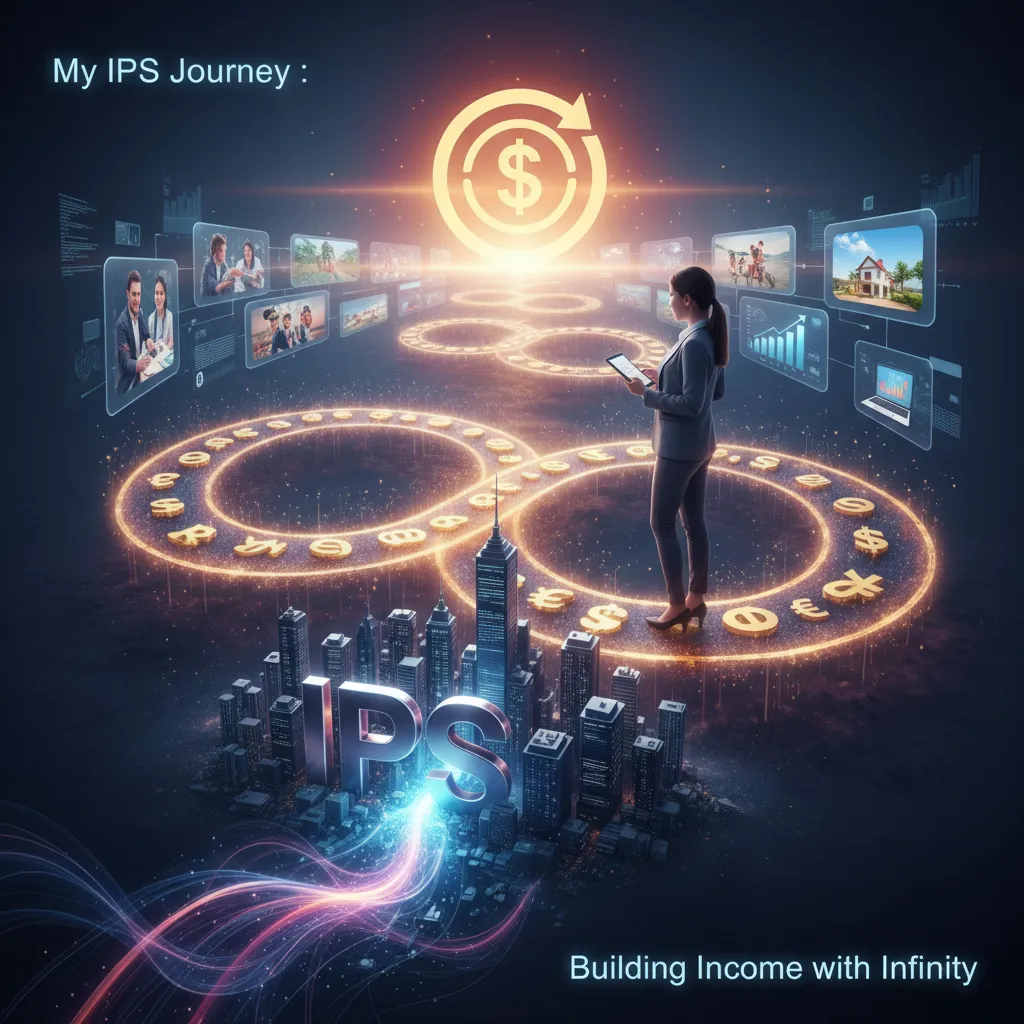
My IPS Journey: Building Income with Infinity
I remember scrolling past glossy influencer posts, feeling equal parts inspired and baffled—how did they turn a single post into real income? Then I found the Infinity Processing System (IPS). What hooked me wasn’t the hype; it was a simple three-step blueprint, a friendly community, and a promise: keep 100% of what you earn. This is the story of trying IPS, the small tangents, the awkward early posts, and the surprisingly tangible progress a few weeks in.1. First Impressions: Why IPS Felt DifferentInfinity Processing System clarity: a 3-step system with no guessworkBefore I found the Infinity Processing System, Digital Marketing Training felt like a giant puzzle with missing pieces. I’d watch creators turn simple posts into real income, and I couldn’t tell what was strategy and what was luck. IPS felt different because it didn’t start with hype—it started with a map.The 3-step system was the first thing that calmed my brain:Get Started: pick a product level and unlock the training.Post Targeted Ads: follow clear directions for where and what to post (Facebook, Instagram, TikTok, Craigslist).Collect 100% Commissions: sales track through my link, and I keep 100% commissions.Instead of asking, “Should I make reels? Start a blog? Learn funnels first?” I finally had one next step at a time—built for Social Media Growth without the chaos.Beginner-first Digital Marketing Training that tells you what to do todayWhat really stood out was how beginner-friendly it was. IPS uses daily action plans and a 30-day workweek schedule, so I wasn’t stuck “planning” for weeks. And the Facebook community didn’t feel like a ghost town—coaches host live Q&A sessions, and the support is active (materials referenced as of December 28, 2025).Sarah Mitchell: "IPS broke big concepts into tiny, daily tasks—it's the difference between planning forever and actually shipping."My first awkward Craigslist ad (and the $50 ping)I still remember posting my first Craigslist ad. It felt clunky, like I was wearing someone else’s shoes. I double-checked every line, hit publish, and tried not to cringe. Then later—ping—a $50 commission notification. Small win, huge feeling. For the first time, the process felt real, repeatable, and mine.2. Membership Tiers: Starter, Elite, Pro (Numbers I Still Memorize)When I first opened the Infinity Processing System, I didn’t feel “sold to”—I felt sorted. The Commission Structure Explained was simple: pick a tier, pay a one-time admin fee, and keep 100% commissions. No recurring monthly fees hanging over my head.Jason Wyatt: "Choosing a tier is like picking a taco truck to own—starter or pro, the business is yours once you cover the admin fee."Starter ($50): Membership Tiers Benefits for getting movingStarter was the “stop overthinking and start posting” level for me. For a $50 admin fee, I could earn $50 commissions per sale, and I got tools that made me feel legit fast.Automated email software + website creation tools30 marketing ads + 20 bonus image adsMindset and persuasion modules, plus a fast-action planElite ($150): More assets, bigger commission optionsElite felt like turning the volume up. The $150 admin fee unlocked $150 and $50 commissions, plus more training for platforms I actually wanted to use.100 pre-written ads + 40 image adsInstagram and YouTube automation trainingGuidance aiming for 2–5 sales per dayPro ($300): Built for scale (and speed)Pro was the tier I kept rereading because the numbers stuck: $300 admin fee, and commissions of $300/$150/$50. It’s clearly designed for automation and reach.200 pre-written ads + 60 image adsMembership in 100 Facebook groups30-email follow-up series + VIP live chat$500 vacation voucher3. The Mechanics: Ads, Platforms, and Daily MissionsWhere I Post: Facebook TikTok Instagram (and Craigslist)Before IPS, I wasted hours wondering, “Should I post a Reel, a Story, or a long caption?” IPS removed that guesswork by telling me exactly where and how to post on the platforms that fit the offer. My early focus was simple: Facebook and Craigslist (covered right in Starter). As I grew, the roadmap expanded into Instagram and TikTok, and higher tiers even add strategy for YouTube.Instead of chasing trends, I followed platform-specific steps for Social Media Growth—post here, use this angle, link it like this, track results, repeat.Ready-Made Ads + Scripts = A Comprehensive Set ToolsThe biggest relief was not having to “invent marketing” from scratch. IPS hands me a Comprehensive Set Tools that speeds up implementation:Pre-written ads: from 30 up to 200 depending on my tierImage ads: from 20 up to 60Scripts: for Facebook marketing, follow-ups, and closing sales without sounding pushyWhen I felt stuck, I’d open the library, pick an ad, personalize a line or two, and post. It felt like training wheels—in a good way.Daily Missions That Keep Me MovingIPS doesn’t just teach; it makes me do. Daily missions and rotating marketing challenges keep momentum high, and live coaching turns confusion into action fast.Sarah Mitchell: "A short daily mission beats a perfect plan you never finish—consistency = traction."Most days, my “mission” was small: post one ad, respond to messages, tweak a headline. That rhythm helped me avoid analysis paralysis and build real consistency.4. The Community: Why Other People Matter More Than I ThoughtI used to think Affiliate Marketing IPS was a solo game: watch the modules, post the ads, hope for sales. But the moment I joined the Facebook group, the blueprint stopped feeling like a PDF and started feeling like people.34000 Members Community: Not Just a NumberIPS pages and even some critiques mention a 34000 Members Community. I can’t personally verify every profile behind that number, and I’ve seen outside comments about inflated engagement or “too-perfect” wins. Still, what mattered to me was this: when I asked a beginner question, I got real answers fast—sometimes from coaches, sometimes from peers who were one step ahead.Jason Wyatt: "The group is where the blueprint gets human—you're doing the work alongside others who actually care."Live Q&As, VIP Live Chat, and Learning Out LoudThe live Q&A sessions were my turning point. Instead of rewatching lessons and guessing, I could post my draft caption, my ad angle, or my funnel question and get feedback in real time. When I looked at the Pro level, the VIP live chat stood out because it shortens the gap between “I’m stuck” and “I’m moving again.”Rotating Challenges Made Me BraverThe rotating marketing challenges pushed me to test ideas without overthinking. Within weeks, I found:a collaborator to swap content reviews witha micro-mentor who had already made a few salesaccountability that made me actually follow the daily planThe Psychology: Feedback Keeps Motivation AliveCommunity validation can be a double-edged sword—especially if some posts are more “attraction marketing” than real proof. So I learned to focus on process posts, screenshots with context, and questions that show work. For me, the community turned a Direct Sales Opportunity into a skill I could build, one conversation at a time.5. Risks, Critics, and Reality Checks (I Kept One Eye Open)Not a magic button (and I treated it that way)IPS didn’t feel like a lottery ticket. It felt like a checklist. If I skipped the daily actions, nothing moved. If I posted without learning the basics, my results stayed flat. That was my first reality check: consistent work is the real “system.”“Attraction Marketing Scam” claims I saw onlineWhile researching, I ran into reviews calling it an Attraction Marketing Scam. The main complaints weren’t about the tools—they were about how some people use them: fake engagement screenshots, copy-paste hype, and “act now” urgency that feels manufactured. A few critics also said the training can lean more toward selling the offer than building deep brand skills.Sarah Mitchell: "Skepticism is healthy—track real money, not likes. If a system asks for work, treat it like a business."Quality Control Risk: what I watched forThe biggest Quality Control Risk wasn’t IPS itself—it was the behavior around it. If someone can buy likes, borrow a success story, or post vague income claims, it muddies the waters for everyone. So I did my own “due diligence” and kept receipts.I tracked commissions in a simple sheet: Date | Platform | Clicks | Sales | CommissionI avoided “rented” credibility (no fake comments, no inflated screenshots).I tested slowly—one platform, one message, one offer—before scaling.Infinity Payment Systems (separate, not the same thing)One more confusion I noticed in SEO results: Infinity Payment Systems shows up too, but it’s a different business function (payment terminals and funding). I saw references like Clover Station Duo and Clover Flex. That’s not IPS training—so I double-checked names and links before trusting any claim (December 28, 2025).6. Wild Cards: A Tiny Hypothetical and a Weird AnalogyCommission Structure Explained (With a Daydream Disclaimer)Some nights I do “math daydreams” just to see what freedom could look like. Here’s a hypothetical (not a promise): if I’m on the Pro level and earn $300 per sale, and I somehow hit 3 sales a day, that’s $300 x 3 = $900/day. Again—hypothetical. No guarantees, no magic button, just a way to picture the upside of the Commission Structure Explained in real numbers.And if that kind of day ever happened, I know exactly what I’d buy first: time. Time to stop rushing mornings, time to cook dinner without checking the clock, time to take the $10K challenge seriously without feeling like I’m stealing hours from my real life. That’s what the 6-figure blueprint idea does for me—it turns “maybe someday” into “here’s a plan I can follow.”The Taco Truck Manual That Made It ClickThe Infinity Processing System started making sense when I pictured it like a taco truck. I pay a one-time admin fee and it’s like I own the truck. IPS hands me the “recipes” (ad templates, scripts, training). But I still have to park it somewhere and sell tacos—meaning I still have to post, test, learn, and show up.Jason Wyatt: "Treat it like a small business—own the truck, run the hours, celebrate each sale."A Weird Internet Moment (My Tiny Proof of Life)One time I tested a midnight Craigslist post, half-expecting nothing. At 2 a.m., I got my first lead. That’s when it hit me: the internet is weirdly awake, and this really is a business if I treat it like one—one post, one conversation, one commission at a time.TL;DR: IPS offers a 3-step, beginner-friendly digital marketing blueprint (Starter $50, Elite $150, Pro $300) with 100% commissions, daily action plans, live coaching, and tools to build a social-media-based income.
9 Minutes Read
Dec 28, 2025
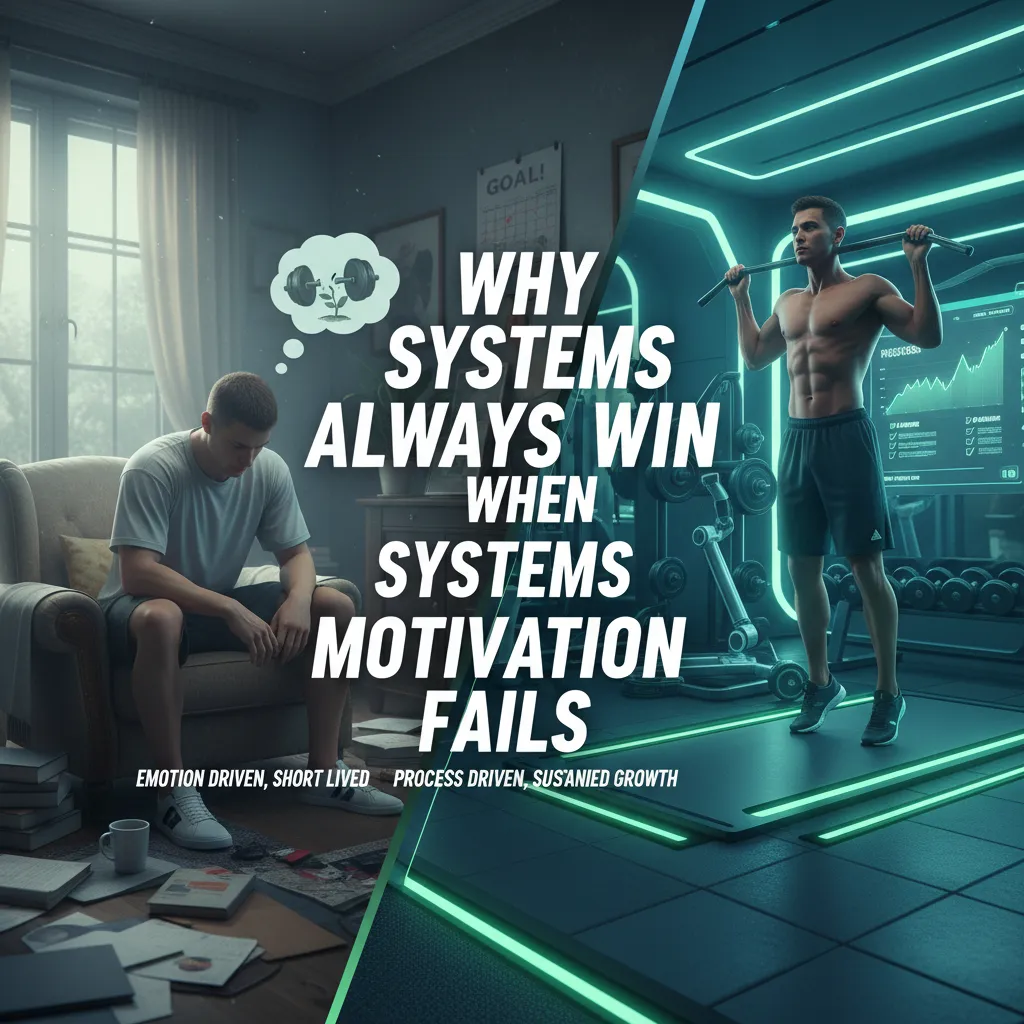
Why Systems Always Win When Motivation Fails for Good
I used to wait for lightning bolts of motivation — and then get furious when the storm never came. One winter morning in 2023, after three missed launch dates and a sleepless night, I stopped waiting. I built one tiny routine and watched work actually happen on the crappy days. This piece is the diary of that stubborn experiment: why motivation feels great but evaporates, and how systems — boring, small, repeatable things — quietly win.Why Motivation Is a Trap (Difference Between Mood and Strategy)The Difference Between Mood and Strategy (and Why You Need to See It)For years, I treated motivation like a plan. If I felt inspired, I worked. If I didn’t, I waited. That’s the trap. Motivation depends on mood, and mood depends on sleep, stress, and whatever life throws at you. That’s not a strategy. That’s gambling.I learned this the hard way during a 2023 launch. I pulled an all-nighter to “get ahead.” The next day I was foggy, short-tempered, and slow. One bad night turned into a week of half-work: missed posts, delayed follow-ups, and a growing sense that I was “behind.” That’s when I saw it clearly: fleeting motivation can’t carry real results.When Motivation Fails, the House Usually WinsFeeling-led work is like walking into a casino with rent money. Sometimes you win. Often you don’t. And you can’t build a business on “often.” When motivation fails, you don’t just lose a day—you lose momentum, confidence, and time.Research backs up how personal and fragile motivation is. Deloitte (2025) reports that 60% of workers expect organizations to boost their motivation, yet only 33% believe managers understand their personal motivations. Translation: motivation is “unit of one.” It’s individual, shifting, and hard for anyone (even you) to predict.Wild Card: The Athlete Test (Shift Mindset)Imagine a pro athlete who trains only when they “feel it.” Absurd, right? But that’s what creative work looks like without systems. We call it freedom, but it’s really randomness. The moment I did a Shift Mindset from “I need to feel ready” to “I need a repeatable process,” my stress dropped and my output got steadier—especially as a solopreneur.You do not rise to the level of your goals. You fall to the level of your systems. — James ClearMotivation is a spark. Strategy is a map. Systems are the road.Tiny habits compound into big changes over time. — B. J. FoggHow Systems Create Predictable Results (Systems Work & Goals And Systems)I used to wait for motivation like it was a green light. Some days it showed up. Most days it didn’t. And my results matched that randomness. Then I learned why systems win: they don’t care how I feel. They create predictable results because they tell me exactly what to do when my brain wants to quit.Systems Work When Motivation Is GoneAn effective system is simple: a cue, a tiny action, and a scheduled slot. That’s it. No “should I?” No debating. Just execution. This is where consistency beats talent, mood, and big bursts of effort.Cue: something that triggers the habit (wake up, open laptop, coffee).Tiny action: small enough to start even on bad days.Scheduled slot: a time you protect like a meeting.My 15-Minute Window (And Why It Worked)I set a rule: 15 minutes of writing, first thing. Not “write a great newsletter.” Just “open the doc and write for 15.” That tiny routine lowered friction. It also used intention—I already decided—so I didn’t need motivation to choose.Some mornings I wrote garbage. But I still shipped. And shipping created momentum. That’s the progress principle: small wins make you more likely to keep going tomorrow.If motivation is the spark, systems are the engine that keeps the car moving. — Cal NewportGoals And Systems: Outcome vs. ProcessHere’s the shift that changed everything: Goals And Systems aren’t enemies, but they play different roles. Goals point to the destination. Systems handle the driving.Start with process, not outcomes. The tiny daily steps are non-negotiable. — James ClearI also stopped obsessing over performance goals (“hit X subscribers”) and leaned into learning goals (“write daily and improve one thing each issue”). Learning goals build resilience because even a “bad” day still counts as practice.A Quick Picture: Plant vs. RainstormIf your business was a plant, systems are the watering schedule. Motivation is the occasional rainstorm. Rain feels amazing—but the schedule is what keeps it alive.Simple Systems Beat Perfect Plans (Unit Of One & Consistency Beats)I used to think I needed a perfect plan to win. I built a 12-step launch plan with pages of notes, tools, and “if this, then that” rules. It looked professional. It also made me tired before I even started.Then I tried something almost boring: one marketing post per day. That was it. No fancy funnel. No big campaign. Just one post, every day, and a simple follow-up habit. Within weeks, I had more replies, more DMs, and way less burnout. The work felt lighter because it was repeatable actions, not constant reinvention.Make it tiny, then show up. Consistency beats intensity. — B. J. FoggThe “Unit of One” Rule: Win Today, Not the Whole YearThe best mindset shift I’ve found is the unit of one: I treat each day like a single unit to win. Not “crush Q1.” Not “fix my business.” Just: Did I complete today’s unit?One unit repeated 365 times becomes a year of progress. It also lowers stress because I’m not carrying the whole future in my head.Repeatable Actions That Drive Client GettingYou don’t need complex funnels — you need repeatable actions:Post daily (one clear idea, one story, one lesson).Start conversations (comment, DM, reply to replies).Follow up (simple check-in, no pressure).This is where consistency beats motivation. And it matters even more now: about 60% of workers expect organizations to boost motivation in 2025. That tells me people are waiting to be “made motivated.” Systems don’t wait.Content Calendar = Less Thinking, More Looking ProfessionalI keep a tiny content calendar so I don’t rely on mood. I also aim for learning goals (get better at hooks, clarity, and offers) instead of pure performance goals. Learning builds resilience when a post flops.Big goals are won on the small, boring days. — James ClearHow to Build Your First System (How To Start & Step One Shift)The Step One Shift for building systems is simple: stop asking, “What do I feel like doing today?” and start asking, “What’s my unit of one?” One tiny daily action that moves one outcome forward—especially on the days motivation disappears.I learned this the hard way. I used to plan big weeks, then miss two days and spiral. The fix wasn’t more hype. It was intention. Research backs this up: intention sustains action when motivation fades. So I picked one outcome and made it stupid simple.Pick One Outcome, Then Choose Your “Unit of One”If you’re wondering How To Start, don’t build a full machine. Build one gear. For solopreneurs, this reduces stress and can Save Time because you stop renegotiating your day.Example outcomes and units of one:Outcome: more clients → Unit of one: send 1 helpful DMOutcome: grow audience → Unit of one: publish 1 short postOutcome: better health → Unit of one: walk 10 minutesStart with one tiny habit and expand from there. Simplicity is the secret weapon. — Derek SiversSchedule It Like a Meeting (Non-Negotiable)This is where building habits becomes real. I blocked 20 minutes at 9:00 AM every day. No debate. No “later.” My “bad day” completion rate jumped because the decision was already made.Try this time block:9:00–9:20 AM — Unit of One (no phone, no tabs, just execute)Optional Tools: WOOP + Progress PrincipleWOOP keeps the system honest: Wish, Outcome, Obstacle, Plan. Example: “If I feel resistance at 9:00, then I open the draft and write one sentence.” The Progress Principle helps too: small wins create momentum, even when motivation is low.Build the process first; results usually follow. — Cal Newport30-Day Micro-Experiment ChecklistPick one outcomeDefine the unit of one (one daily action)Calendar block it (same time daily)Track for 30 days (done/not done)Iterate: keep it easy, then scaleWild Cards: Analogies, Scenarios, and Slightly Cranky Advice (Shift Mindset & Human Performance)Systems are the weatherproof coatI treat systems like a weatherproof coat I wear even when the sun is out. Not because I’m negative—because I’m realistic. Motivation is a mood. Moods change. A coat doesn’t care. A system doesn’t care either. It just shows up and does the job, which is how you get better human outcomes without begging for sustained motivation.Consistency is the quiet multiplier of results. — James ClearA note on intrinsic motivation (and why it’s personal)Deloitte (2025) points out that hyper-personalization of motivation unlocks human and business outcomes—because what drives me won’t drive you. Their research also highlights that about 60% of people perform better with personalized experiences, and around 33% say it increases loyalty. I read that and thought: cool, but I still can’t rely on feelings. So I build systems that trigger my intrinsic motivation—small wins, clear next steps, less friction.If my future self could send one instructionIt wouldn’t be “work harder.” It would be: “Do the tiny thing today.” Send the follow-up. Write the first paragraph. Post the simple update. Systems focus on repeatable processes while goals emphasize outcomes, and I’ve learned the process is what carries me when the outcome feels far away.Design your days before motivation designs them for you. — Cal Newport2025 solopreneur scenario: no more weekend heroicsI picture a solopreneur in 2025 who keeps trying to “catch up” on weekends. Big bursts. Big crashes. Then they Shift Mindset: weekday 15-minute system, every day. One short post. One DM. One follow-up. That’s it. Learning goals (get 1% clearer, write 1% better) build resilience better than pure performance goals (hit $10k this month), according to research summarized by The Science of Big Goals and AIB. Human Performance improves because the bar is low, and the repetition is high.Slightly cranky adviceStop waiting for passion to RSVP — it never does. Build the system, then let motivation show up late and take credit. If you want systems that work even on bad days, follow the journey and steal what works.Sources: SixFigureProcrastinator (sixfigureprocrastinator.com), Deloitte (deloitte.com, 2025), The Science of Big Goals (nextbigideaclub.com), AIB (aib.edu.au), ForwardForty (forwardforty.com)TL;DR: Motivation is fleeting; systems produce predictable results. Pick one outcome, design a tiny daily action (unit of one), schedule it, and repeat. Consistency beats inspiration.
9 Minutes Read
Dec 27, 2025
Systems Win: Veterans Building Online Income Now
I used to wake up thinking motivation would carry me through a launch. It didn’t. As a veteran, I learned to trust checklists, SOPs, and repetition — not feelings. In this short post I’ll tell you why motivation is a trap, how systems (and an AI layer) win, and give practical steps tailored to veterans building online revenue streams in 2025.1) Why Motivation Is a Trap (Short, Real, Personal)Motivation feels good. Until it disappears.I’ve launched on motivation before—and crashed the moment my mood changed. One night I stayed up late “getting ahead” on a new offer. I told myself I was locked in. Then the next day hit: bad sleep, high stress, and way too much caffeine. My brain felt loud, my patience was gone, and the work that looked easy at midnight felt impossible at 9 a.m.That’s the trap. Motivation isn’t a plan. It’s a feeling.Motivation Is Mood-Dependent (And Mood Is Unstable)In real life, motivation rides on things you can’t control perfectly:Sleep (or lack of it)Stress (family, bills, health, work)Caffeine (usually trying to fix the first two)When those swing, your output swings. That’s not a strategy for building Online Revenue Streams—especially for Veterans in 2025 juggling transitions, appointments, and normal life.Sarah Robbins, Veteran Entrepreneur: "Relying on motivation is like planning around the weather — sometimes it’s sunny, sometimes you don’t leave the tent."In Uniform, We Didn’t Wait to “Feel Ready”What hit me hardest is how different this is from service. In uniform, I didn’t get to negotiate with my mood. We ran on process, structure, and repetition. You show up. You follow the checklist. You execute the standard.That’s why Military Skills Leverage matters online. Veterans already understand how to perform on low energy days because we trained that way. We didn’t rely on hype. We relied on habits.The Real Problem With MotivationMotivation makes you start fast, then disappear when life hits. A business can’t run on “when I feel like it.” It needs something steadier than emotion.2) Why Systems Always Win — A Practical BreakdownWhen I started looking at Online Business Startups, I thought I needed more motivation. Then a bad week hit—poor sleep, family stuff, and zero energy. My “drive” disappeared, and so did my progress. That’s when it clicked: motivation is a mood, not a Business Plan.A system is different. It keeps moving even when I’m tired, when life hits, and when I don’t feel like doing anything. Simple systems also cut decision fatigue, which means I stop burning mental energy on “what should I do today?” and just execute.Lt. Col. Mark Hale, Small Business Mentor: "You don’t wait to feel like doing the job — you follow the checklist and get the mission done."My Basic Repeatable System (The Only Parts That Matter)I built my first real system around one simple framework:1 core offer + 1 traffic source + 1 follow-up sequence = repeatable systemOne core offer: one clear result I help people get (no extra services).One traffic source: one place I show up daily (not five platforms).One follow-up sequence: a set of messages/emails that runs the same way every time.The 90-Day System I Ran on AutopilotI set up a 90-day schedule that produced steady leads regardless of mood. I posted on the same platform, at the same time, using the same content template. Then my follow-up sequence handled the repetition. The result wasn’t hype—it was consistency.Weekend Sprint: Build Your System Like an SOPPick one offer from your best Business Ideas Veterans can deliver fast.Choose one traffic source you can commit to for 30 days.Write a 5-message follow-up sequence and reuse it.Turn it into a checklist and run it daily.Veterans already know SOPs create repeatability. That’s what scales into a real business.3) The Veteran Advantage — Translate Service Habits into IncomeWhen I started looking at online income, I noticed civilians kept waiting to “feel ready.” I didn’t have that luxury in uniform. I had SOPs, checklists, delegation, and automation. That’s not military-only stuff—it’s how E-Commerce Stores and Cybersecurity Services stay consistent when life gets loud.Emily Torres, E-commerce Strategist: “Veterans bring supply-chain discipline and real-world credibility — that's a conversion engine in niche markets like tactical gear.”Tactical Gear E-Commerce + Veteran Owned Businesses = Trust That ConvertsTactical Gear E-Commerce isn’t a tiny corner of the internet. The outdoor/apparel/tactical gear market is about $22B. In physical product niches, veteran credibility can create a real lift—one insight shows a 15% sales increase when buyers see a veteran-owned signal. If you qualify, SDVOSB Certification can also open doors for contracts and partnerships, and it’s a strong trust marker for Veteran Owned Businesses.Pick a Model That Matches Your TrainingE-Commerce Startup (dropship or stocked): one offer, one supplier, one fulfillment SOP.Cybersecurity Services: packaged audits, recurring retainers, clear scope checklists.Coaching: one framework, one weekly call cadence, automated follow-up.Memberships: recurring revenue with simple content systems.Real Numbers Beat HypeI watched a veteran-owned membership hit $14K/month with 800 members on Teachable—about 90% margins. I also saw a gear rental model run around 60% margins and reach $12K/month by sticking to a tight checklist: intake, inspection, shipping, return, repeat.Resources + Time In GradeI treat SEO like Time In Grade: it often takes 18–24 months to mature for e-commerce. While it builds, I’d lean on SBA programs, VBOCs, and SDVET LaunchPoint (Sept–Oct 2025) to tighten the system and shorten mistakes.4) The AI Layer — The Practical Cheat CodeWhen I started building my Digital Business, my biggest problem wasn’t effort. It was the daily “what now?” loop. Every morning felt like a new mission brief with no SOP. That’s where the AI Powered layer became my practical cheat code—not to replace me, but to replace the repetition.AI Powered systems remove the daily decision taxAI is most valuable when it automates repetitive, high-frequency tasks. For me, that meant AI replacing:Guesswork (what to post, what to say, what to send)Manual posting (copy/paste, resizing, scheduling)Constant decision-making (rewriting the same email 10 ways)Once those were handled, I stopped asking, “What should I do today?” The system already knew.My 70% busywork cut: content calendar + follow-upI ran a simple experiment: I batched one week of content in one sitting, then used an automated content calendar and an AI-powered follow-up sequence. The result was about a 70% drop in daily busywork—mostly from scheduling, rewriting, and sending repetitive touchpoints. My focus shifted to managing the system, not feeding it.The week it proved itselfThen a family emergency hit. Normally, my Online Revenue Streams would dip because I’d disappear. This time, AI handled the repetition: posts went out, emails went out, and basic replies were drafted for me to approve. My conversion stayed steady because the follow-up sequence didn’t care that my week fell apart.James Liu, AI for Small Business Consultant: “When AI handles the repetition, veterans can apply their operational skills to strategy instead of tedium.”Approachable AI tasks (with human oversight)Content batching and schedulingEmail sequences and FAQ repliesBasic analytics summaries (what worked, what didn’t)Important: AI is a tool. I still review brand voice and compliance—especially anything tied to claims like SDVOSB.5) Simple System Example & Weekend Launch BlueprintWhen I started helping other vets with Online Business Startups, I noticed the same pattern: we’d overbuild, then stall. So I went back to what worked in uniform—one mission, one lane, repeatable steps. That’s the Launch Blueprint: one core offer, one traffic source, one follow-up sequence, with AI doing the repetition.Simple System (No Hype, No Chaos)Offer: one clear result (example: “24-hour website audit for local contractors”).Traffic: pick one—Facebook/Instagram ads or veteran groups and referrals.Follow-up: one 3-step email/SMS sequence to Acquire Clients.AI layer: drafts posts, rewrites ads, personalizes follow-ups, logs leads.Alex Rivera, Veteran Business Coach: “A focused weekend launch is not glamour — it’s rehearsal. Repeat it, measure, then scale.”3-Day Weekend Sprint TimelineDay 1 — Niche Down + Message: pick one buyer, one pain, one promise. Write a simple hook and one CTA.Day 2 — Build Platform: one-page site + checkout/booking. For an E-Commerce Startup, this can be a Shopify product page and basic policies.Day 3 — Traffic Assault + Follow-Up: launch one ad set or post in 3–5 vetted groups. Use AI to create a 3-email sequence: Value → Proof → Offer.Tactical Aside: Pick Your ModelDropshipping can be low-risk for testing demand, but margins are tight. A service (like cybersecurity consulting) needs a small portfolio and 1–2 case studies before you scale.SEO Reality + ResourcesOrganic SEO is “time in grade”—plan 18–24 months for real e-commerce traction, then use paid traffic for early scale. Resources: SBA, VBOCs, SDVET LaunchPoint (Sept–Oct 2025), and Shopify guides.6) Final Thought, CTA & Wild CardsVeteran Business Outreach: The quiet winI’ve learned this the hard way: motivation makes noise. It talks big, then disappears the moment sleep gets short, stress gets loud, or life hits. Systems make money. They don’t care how I feel. They run when I’m tired, when my calendar blows up, and when my confidence is low.Here’s my imperfect human tangent: my desk is usually a mess. Not “aesthetic chaos,” just real chaos—sticky notes, half-charged cables, coffee rings. And somehow, that messy desk became the birthplace of discipline, because the system doesn’t live on the desk. It lives in the checklist, the follow-up, the automation, and the AI prompts that keep moving even when I don’t.Rachel Kim, Veteran Transition Specialist: "The goal isn’t more hustle — it’s smarter systems that survive the bad weeks."Online Income Veterans: Follow the journeyIf you want to see how Online Income Veterans are using AI-powered systems to build income without grinding, follow the journey. No hype. Just execution.Veteran Owned Brands: What if you took 6 months off?Wild card thought: What if your system ran while you took 6 months off? Not because you’re lazy—because you built something resilient. That’s the point. Systems paired with AI reduce burnout and create income that doesn’t collapse during bad weeks.I think of systems like field rations on long ops. They aren’t exciting, but they keep you moving when conditions aren’t. And if you’re building Veteran Owned Brands, don’t skip the support that speeds the launch: SBA programs, local VBOCs, and SDVOSB pathways—plus newer options like SDVET LaunchPoint (Sept–Oct 2025).Resources & citationsSBAVBOC programVA / VA NewsSBA Veteran/SDVOSB certificationShopifyCodecamoTL;DR: Motivation fades; systems persist. Veterans already have the habits to build repeatable online businesses — add AI to remove grunt work and you have a resilient income engine.
9 Minutes Read
Dec 26, 2025
December 26: Quiet Systems to Make Money Online
I still remember the first December 26 I treated like a test. After two days of holiday noise, the motivation evaporated and I had a choice: wait until January 1 with everyone else or quietly ship something that ran without me. I chose the latter, and that tiny, boring system paid off for months. This post is my plea: treat December 26 like an audit day for your business systems, not a defeat.1) Why December 26 Matters More Than January 1December 25 is loud. Phones buzz, family talks over each other, and every ad screams “new year, new you.” I used to ride that wave too. I’d tell myself I was going to Make Money Online “for real” next year. I’d save links, buy a course, write a few notes, and feel productive without building anything.Then December 26 hits. The house gets quiet. The food is still on the counter, but the excitement is gone. The dopamine crash is real. The goals that felt easy yesterday suddenly feel heavy. And this is the day most people quietly quit—not with a big announcement, but by simply not opening the laptop.December 26 Is an Audit Day for Online IncomeJanuary 1 is a promise. December 26 is proof. It shows me whether my plan for Online Income was emotional (holiday hype) or structural (systems that run when I don’t feel like it). One day acts like an audit. One year becomes an excuse.If I need motivation to post, I don’t have a content plan.If I need “the right mood” to sell, I don’t have a funnel.If I disappear for a week and everything stops, I don’t have a system.Mood-Based Hobby vs. Business SystemsI learned this the hard way: if my income depends on how I feel, I don’t have a business. I have a mood-based hobby. Holiday motivation is fleeting, but automation doesn’t care what day it is. A blog post can rank while I’m tired. An email funnel can send follow-ups while I’m distracted. A membership can collect recurring revenue while I’m offline.Ava Morales, Online Business Strategist: "Consistency beats inspiration every single time—especially the day after the party."Evergreen Content and Audience Building Don’t Need HypeDecember 26 is when I focus on what lasts: Evergreen Content and Audience Building. Not trendy posts. Not loud launches. Just helpful, honest work in a clear niche—because trust is what turns readers into subscribers, and subscribers into steady income.December 26 tells the truth: did I build something that runs, or did I just feel inspired? Motivation: The Practical Mindset">2) Systems > Motivation: The Practical MindsetOn December 26, I don’t feel inspired. I feel the dopamine crash—that quiet drop after the holiday noise. Yesterday was loud. Today is honest. And this is where I learned the hard truth: Motivation Dies. Systems Don’t.If my income depends on how I feel, I don’t have a business. I have a mood-based hobby. So I stopped asking, “Do I feel like working?” and started asking, “What runs even when I don’t?” That’s the practical mindset: build Automation that keeps moving when my energy doesn’t.Automation + AI: Execution Without NegotiationAI doesn’t wake up tired. Funnels don’t need encouragement. Automation doesn’t wait for a “better mindset.” When I connect my tools, the work gets done in the background—especially the boring work that creates Passive Income over time.That’s why email marketing and social funnels matter. They drive consistent traffic and course sales because they don’t rely on a perfect day. They rely on a system.Marcus Lee, Digital Marketing Coach: "I show up for the system even when I don't feel like it—because the system shows up for me."Email Marketing Funnel Example (Quiet, Reliable Passive Income)One of my simplest systems is a welcome funnel:A lead magnet (checklist or mini guide)An automated 5-email sequenceA soft offer to a course on Teachable or UdemyOnce it’s built, it runs. That’s Passive Income behavior: I write it once, and the system keeps following up for me.Blogging SEO Example: Scheduled Evergreen ContentThe other system is a scheduled evergreen post, written for Blogging SEO. I publish it even when I’m not “in the mood,” because the calendar doesn’t care about my feelings. That post can send traffic to Substack, Patreon, YouTube, or a simple email opt-in—creating more Passive Income paths.My December 26 ChecklistOne automated workflow (tag + email sequence)One evergreen post (SEO keyword + internal links)One system that runs without me (scheduler + funnel)Experienced creators operate on discipline, not daily feelings. December 26 is when I build Passive Income like that—quietly, with systems.3) AI and Tools: Your No-Excuses PartnerDecember 26 is the day my feelings try to renegotiate the plan. I’m tired, the holiday buzz is gone, and my brain wants to “start fresh” later. That’s why I lean on AI and simple tools. AI doesn’t negotiate with your feelings. It executes. It keeps my Content Creation moving even when I’m not in the mood.When I treat AI like a disciplined teammate, my business stops being a mood-based hobby. It drafts basic hooks, outlines, and captions. It tracks what’s working. It helps me turn one idea into a week of Video Content without staring at a blank page.Dr. Rachel Stern, Creator Economy Researcher: "AI doesn't replace your taste; it multiplies your output—quietly and reliably."My “quiet system” stack for a YouTube ChannelI build around a YouTube Channel because it compounds. Once the audience is there, YouTube can pay through ads, sponsorships, and memberships. Then I connect that attention to Digital Products so income isn’t tied to one platform.AI copy tools for titles, descriptions, email drafts, and product blurbsScheduling platforms to queue posts when I’m offlineAutomation sequences (email + tagging) that deliver freebies and pitch offersYouTube/Podcast repurposing workflows to turn long-form into short clipsCase example: 1 evergreen video → 10 clips → 30 scheduled postsLast year, I recorded one evergreen YouTube lesson that pointed to a small Digital Products bundle. I dropped the transcript into AI and asked for:10 short clip scripts with strong first lines30 post captions (3 angles per clip)Hashtags and simple CTAs back to the videoThen I scheduled everything across a month. While I handled life, the system kept publishing, tracking clicks, and feeding my list. That’s the real win: multi-platform sales plus automation that keeps your digital assets working. If I want to go deeper, I can route viewers into a course on Teachable or Udemy, or a membership on Patreon or Substack.4) What to Build Today (Not January 1)On December 26, I don’t trust my feelings. I trust checklists. This is the day I do a quick systems audit and ask one question: what will still run when I’m tired? If the answer is “nothing,” then I build something small—today.One Automated Workflow (So You Don’t Have to “Remember”)I pick one trigger and one action. That’s it. For me, it’s usually: someone joins my list → they get a tag → they get routed into Email Funnels. No motivation required.Create a simple form + thank-you pageConnect it to your email tool (ConvertKit/Mailchimp/etc.)Add one tag: new subscriberOne Piece of Evergreen Content (That Works While You Sleep)I write one SEO-focused post that won’t expire next week. Evergreen Content is boring on purpose. It’s the kind of page that can bring clicks in March when nobody cares about New Year goals.Pick one keyword topic: “best [tool] for beginners” or “how to start Affiliate Marketing with no audience”Write 800–1,200 words with clear stepsAdd 3–5 Affiliate Marketing links to tools you already useOne System That Runs Without You (Offer + Funnel)I don’t build a “brand.” I build a path: content → email → offer. If I’m testing, Affiliate Marketing is my low-barrier option because it earns commissions without inventory. If I’m packaging what I know, I create a tiny course. Platforms like Teachable and Udemy make Online Courses scalable because the same lesson can sell again and again.Lena Ortiz, Online Course Creator: "I launched my first tiny course on a Tuesday in December—no launch party, just a working funnel—and it paid for coffee that month."Set one primary offer: Affiliate Marketing product, mini–Online Courses, or a membershipWrite a 3-email welcome sequence (day 0, day 2, day 5)Schedule it once and let the Email Funnels do the workNo big resolutions. Just quiet shipping: one automated workflow, one Evergreen Content asset, and one system that keeps earning through Affiliate Marketing even when I’m not “in the mood.”5) Veteran Mindset and the Long GameNiche Selection and the Discipline to Stay PutDecember 26 always reminds me of something I learned in uniform: you don’t get to “feel ready.” You follow the plan. Online income is the same. The people who win aren’t the loudest on December 25—they’re the ones who quietly keep building when it’s uncomfortable.That starts with Niche Selection. Veterans don’t change missions every time it gets boring. I pick a lane I can live in for years, then I publish like I’m earning trust one rep at a time. Authentic content sounds simple, but it’s the foundation for long-term trust, and trust is what turns readers into buyers.Membership Revenue Is Boring—and That’s the PointThe long game isn’t a viral post. It’s Recurring Revenue that shows up even when I’m tired. That’s why I like membership models. Memberships on Patreon and Substack can create predictable recurring revenue streams, and predictable is powerful when motivation drops.I learned to treat Membership Revenue like a system, not a launch. A few paid tiers, a clear promise, and a steady rhythm. Not constant hype. Just consistent delivery. Over time, the compounding effect feels like wealth building: content stacks, SEO improves, and the audience gets deeper instead of wider.Build Community Like a Unit, Not an AudienceWhen I Build Community, I don’t think “followers.” I think “team.” I answer comments, I ask questions, and I make people feel seen. That’s what keeps churn low and recurring revenue stable. Community is also the best feedback loop for what to write next, what to automate, and what to sell.Noah Bennett, Ex-military Entrepreneur: “I didn't wait to feel like it; I followed procedure. Business is a similar drill—systems enforce results.”The Cadence That Keeps the Machine RunningMy procedure is simple: every week I audit automations and funnels, every month I refresh evergreen posts and update internal links, and every quarter I update my course or membership library. It’s not exciting. It’s reliable. And on December 26, reliability is the whole advantage.TL;DR: Don’t wait for January. On December 26 build one small, automated workflow, one evergreen piece of content, and one system that runs without you—because systems, not motivation, create lasting online income.
9 Minutes Read

Dec 25, 2025
Why Time Freedom Is the Best Gift This Christmas
I remember one December morning—coffee gone cold, a half-finished gift list, and a calendar that decided how much I mattered. While others unwrapped sweaters and gadgets, I wanted something quieter: more time. That wish didn’t arrive as a miracle. It showed up as a small, stubborn idea: what if I treated time like the gift I was allowed to give myself? Over the next few sections I’ll tell you why time freedom is the holiday present I chose to build, not wait for, and how you can start today—even while still answering emails.1) Why Time Beats Tangible Gifts (Time Freedom mindset)I used to judge Christmas by the number of wrapped boxes under the tree. More boxes meant I was doing it right. But even on the “good” years, I felt a quiet pressure in the background—like the holiday was rented, not owned. I could enjoy it, but I couldn’t relax into it. There was always a return date. Always a schedule waiting.Now I judge the season differently: by the number of unplanned hours I get with my family. Not the kind you squeeze in between errands, but the kind where nobody is watching the clock. That’s what Time Freedom means to me—designing and choosing how I spend my time in a way that matches my values, my goals, and the life I’m trying to build.Time Freedom Is Choice, Not Just Better EfficiencyI used to think time freedom was about hacks and apps and tighter routines. Those can help, but they’re not the point. Real time freedom is about choice and alignment. It’s choosing the calendar, not being chosen by it. It’s being able to say, “This matters,” and then backing it up with action.“We don't find time; we make it—by deciding what matters.” — Laura VanderkamScarcity vs. Abundance Mindset (and Why It Changes Everything)When I’m stuck in a scarcity mindset, time feels like something I’m always losing. I rush, I overbook, I tell myself I’ll rest “after things calm down.” But an Abundance Mindset shifts the question from “How do I fit more in?” to “What do I want my life to look like?” That shift supports intentional planning, and over time it drives real Personal Growth—because I stop treating my time like an emergency and start treating it like an asset.A Simple Swap That Beat Any Store-Bought GiftOne year, I skipped a pricey present and gave my kid something else: a scheduled Saturday afternoon that was protected like an appointment. No errands. No phone. Just us. We built something, ate snacks, and laughed more than we talked. That block of time did more for our relationship than anything I could’ve wrapped.That’s also Work Life Balance in real life: not perfect days, but chosen moments—on purpose.Time Freedom starts when I decide what matters most.An Abundance Mindset helps me plan like I’m allowed to have it.Personal Growth shows up when I protect that plan.2) The System That Steals Holidays (Why the Reality Isn’t Your Fault)For years, holidays feel borrowed. I’d enjoy the food, the laughs, the photos—then feel that quiet weight in my chest. Because I didn’t really own the day. I was renting it. There’s always a return date. Always a schedule waiting.Why Holiday Stress Isn’t a Personal FailureA lot of holiday stress comes from systems you didn’t invent: fixed job schedules, workplace culture that rewards “always on,” and social norms that treat weekends like a quick refill instead of real rest. Even the calendar can feel like a countdown—Christmas, then back to emails, meetings, and the same pace.I used to blame myself. I thought I was bad at Work Life Balance. I thought I just needed more discipline. But the truth was simpler: the system was doing what it was built to do—keep me producing on a clock.“Systems don’t fail you; they do exactly what they were built to do—learn to redesign them.” — Rob CressyThat quote hit me because it removed the guilt. Research backs this up: when you recognize systemic causes, you reduce self-blame—and that opens the door to strategic action. Not hype. Not wishful thinking. A real Time Freedom Strategy starts with seeing the real problem.The Hidden Rules That Steal Your TimeFixed schedules that decide your value by hours, not outcomesReturn-date pressure that makes rest feel “unsafe”Workplace norms that punish boundaries with subtle consequencesA Small Ritual That Helped Me Reduce StressI didn’t fix my life overnight. I started with one tiny rule that gave me permission to be present:Close the laptop by 6 PM on Dec 24.That was it. No big speech. No perfect plan. Just a line in the sand. And it helped me Reduce Stress because it turned “I hope work doesn’t ruin this” into “I decided what happens next.” It was my first step to Control Schedule, even if only for one evening.Why Veterans Often Get This FasterIf you’re a veteran, you already respect structure. You know systems, routines, and standards. The shift is learning to repurpose that discipline—not just to follow a schedule, but to redesign one that serves your life.3) Small, Concrete Moves That Build Time Freedom (Achieve Time Freedom)Last Christmas, I caught myself watching the clock more than the tree. I wasn’t “ruining” the holiday—I was living inside a system that rewards being busy. So I stopped chasing a big escape plan and started taking Strategic Action in small, repeatable moves. That’s how you Achieve Time Freedom: build it while you’re still showing up.Pick One Monetizable Skill (and Practice Like It’s Training)I used to multitask my way into nowhere—ten ideas, zero progress. Then I chose one skill I could sell: writing offers and emails. You could choose editing, simple design, paid ads, bookkeeping, or basic web builds. The point is consistency.To make it real, I used Time Blocking: one block per day, same time, no debate. Inside that block, I ran the Pomodoro Technique (25 minutes work / 5 minutes break) so I didn’t burn out or drift.Marie Forleo: "Small, repeated actions compound into real freedom over time."Automate Once So You Don’t Repeat Yourself ForeverEntrepreneurs who get time freedom faster aren’t “more motivated.” They build systems. I started tiny: templates for replies, a checklist for client onboarding, and an autoresponder that handled the first questions while I was offline.Templates: proposals, invoices, follow-upsAutoresponders: “Here’s what happens next” emailsHired help: a freelancer for one task you hate (even 2 hours/week)Let Technology Carry the Weight (and Build a Side Income Stream)The goal isn’t overnight success. It’s future certainty. I set up simple tools that kept working when I wasn’t:Scheduling: a booking link instead of back-and-forth textsPayments: auto-invoices and subscriptionsSimple funnel: one page → one offer → one checkoutThat’s how a Side Income Stream starts to feel “permissionless.” Examples: a small consulting package (one problem, one price) or a simple digital product like a checklist, template pack, or short guide—sold while you’re at dinner, not stuck at a desk.4) The One-Year Experiment: A Different Christmas (Entrepreneur Freedom & Location Freedom)Last Christmas, I caught myself checking the clock even while I was “off.” I was present, but not fully. My calendar still owned me. So I tried a simple thought experiment: I wrote a letter to my future self dated Dec 25, one year from now.Write the letter: What does your calendar look like?I asked myself questions that felt almost unfair:Do I have free mornings, or do I wake up to urgent messages?Can I say yes to a spontaneous family hike without “asking permission” from work?Do I control my week, or does my week control me?That’s when Time Freedom stopped being a dream and became a design problem. I didn’t need a perfect life. I needed calendar control—the kind that comes from Entrepreneur Freedom and Location Freedom, where income isn’t tied to one place or one boss.Colin Scotland: “Designing for one year forces decisions that favor freedom over instant gratification.”The checkpoint: one measurable step this monthResearch backs what I felt: time freedom business models make room for unplanned days off because you’re not trading every hour for money. But to get there, you have to reduce financial pressure with passive or permissionless income—even if it starts small.This month, I picked one measurable step to Create More Time:Block 3 hours weekly for skill-building (non-negotiable).Automate one task (I started with invoices and reminders).Set one boundary (no work on one weekend day).Small wins stack into an Ideal Work BalanceMy “one-year formula” became simple: 1 monetizable skill + automation + consistent boundary-setting. That stack is what creates more unplanned days off.90 days: launch a tiny MVP (a simple product or service offer).6 months: automate recurring client payments.12 months: free one weekend per month—protected on the calendar.One year is realistic. It’s long enough to build, short enough to stay honest. And it’s how a normal Christmas becomes a different one.5) Wild Cards: Odd Analogies, a Letter to Future Me, and A Tiny RitualAn odd analogy that finally made Time Freedom feel realI started treating my time like an interest-bearing bank account. Not the kind you check every hour, but the kind you build quietly. Every small skill I learn is a deposit. Every automation I set up is a deposit. Every boundary I hold is a deposit. Then, when Christmas morning shows up, I don’t have to “earn” my presence—I can withdraw it. That’s the point: not overnight success, but future certainty. No drama. No guru worship. Just execution.“Radical time freedom starts with small rituals that protect your attention.” — Sagan MorrowA letter to Future Me (Dec 25)Here’s a weird thing I do when I want my goals to stop floating away: I write to my Dec 25 self like he’s a real person I don’t want to disappoint. I keep it simple and honest, and I include three things I will protect next year: family breakfast, unplugged evenings, and one creative hour that belongs to me. That’s Self Care, but it’s also strategy. Gratitude reflection helps me notice what matters, and boundary-setting keeps it from getting traded away for “urgent” stuff.If you want a micro-experiment for December, write that letter tonight and read it out loud once. If you want one for January, pick one protected item and put it on your calendar for four weeks like it’s a meeting with your future.A tiny ritual: the “return-date release”On one chosen holiday, I refuse any obligation that has a return date attached to it. If it comes with “we’ll need you back online tomorrow,” I don’t touch it. I call it the return-date release, and it creates Sustainable Habits because it trains my brain to stop renting my life.It also makes room for Spontaneous Breaks—the kind where you take a walk, play a game, or sit in silence without explaining yourself. People like Laura Vanderkam and Marie Forleo talk about designing time on purpose, and creators like Rob Cressy and Colin Scotland remind me that consistency beats intensity. This Christmas, I’m choosing the gift that keeps giving: time I actually own.TL;DR: Time Freedom beats gadgets: shift mindset, learn one monetizable skill, automate repetitive work, use time-blocking and Pomodoro, and in a year you’ll reclaim holiday(s) and choice.
10 Minutes Read
Dec 24, 2025
Christmas Eve: Why Quiet Systems Beat Hustle Now
Christmas Eve has always been my truth-telling night. I remember stepping out of a crowded kitchen years ago — the house dim, my kids in mismatched pajamas, and a nagging spreadsheet I hadn’t checked all day. Instead of panic I felt oddly calm. That calm came from systems I’d built: a sales cadence that runs without me, an automated billing flow, checklists that survived my half-asleep mornings. In this post I tell the story of why quiet systems beat loud hustle, how my veteran training sneaked into entrepreneurship, and the first practical moves I make when I want real freedom.1) Christmas Eve: The Quiet Test of Freedom (Path to freedom)A quiet night showed me the gapsChristmas Eve hits different. The house goes soft and still—low lights, familiar voices, no alerts screaming for attention. A couple years ago, I thought I had my path to freedom figured out. I was “doing the work,” posting daily, answering every message, fixing every little issue myself.Then I tried to step away for one quiet night. Within an hour, my chest got tight. A client needed an update. A lead asked a question. A small payment issue popped up. I wasn’t present—I was on standby. That’s when the line hit me like a gut check: “If your income stops when you stop… You don’t own freedom. You rent it.”The litmus test: stress means systems, not motivationThat night didn’t expose a motivation problem. It exposed a business systems problem. If you can’t leave without stress, your business systems need work—not another hype video.What I needed was simple: documented steps and process automation so the basics kept moving when I didn’t. A quiet night uncovers the truth fast: are your processes written down, delegated, and automated… or trapped in your head?Veterans know this: checklists work under pressureI’m a veteran. We were trained on checklists and processes that work under pressure. That’s why I trust business systems more than hustle. Hustle is loud. Systems are calm. Systems run when you don’t.John Lund: “Well-documented processes are the invisible workforce — they do the heavy lifting when you step away.”Why real “freedom makers” look boringThe best freedom makers aren’t flashy. They’re predictable and repeatable. They help you work smarter, not longer, and earn shorter hours without panic.Business systems that anyone can followProcess automation for follow-ups, scheduling, and paymentsClear handoffs so you can delegate without redoing everythingSimple checklists that keep quality steadyThat’s the real path to freedom: build once, use process automation, and let your business systems carry the load while you’re actually there for the moment.2) Why Systems Beat Hustle (Veteran training → Business systems)In uniform, I didn’t “feel like” doing the checklist. I did it because the checklist worked when people were tired, stressed, and distracted. That’s what business systems are to me now: a calm plan that holds up under pressure.Checklists taught me to trust business processes, not moodsOnline hustle culture says: post more, grind late, sleep less. But that’s not freedom—it’s just another rotation. When I build clear business processes, I don’t need a burst of motivation to keep the lights on. I need repeatable steps.That’s where business automation is different from aimless hustle. Hustle is me pushing harder. Automation is the system carrying weight without me.Process automation = fewer errors, better complianceIn manufacturing, automation isn’t about being fancy. It’s about safety, fewer mistakes, and consistent quality. Same idea in a small business. Process automation reduces costs and minimizes human error, and it improves compliance because the steps happen the same way every time.John Lund: “Documented systems reveal automation opportunities and make handoffs obvious.”Real examples of business automation I lean onAutomated billing: invoices go out on schedule, reminders follow up, and payments get tracked. No “did I forget?” stress.A virtual assistant for routine emails: common questions get handled from templates and rules. That frees me (and my team) for higher-value tasks—work that actually grows the business.A documented sales sequence: a simple step-by-step follow-up process reduces errors, keeps messaging consistent, and makes handoffs clean when someone else needs to run it.Sources like OTRS talk about automation as a way to standardize work and cut mistakes. Freedom-makers and Think Tyler push the same core idea: the path to freedom is boring on purpose—document it, automate what you can, and delegate the rest.That’s why I trust systems. They don’t need hype. They just run.3) The Real Benefits: Lower Costs, Fewer Errors, Better Life (Automation benefits)Lower costs and real cost savings (so I can stay in the room)On Christmas Eve, I don’t want to be “on call” for my own business. I want quiet. That’s where lower costs start to matter. When I automate tasks—invoicing, follow-ups, scheduling, file handoffs—I stop paying the “panic tax” of last-minute fixes and rushed work. Across tools and case studies (like the kind you’ll find from OTRS and OptimiseandGrow), the theme is consistent: automation reduces operational costs and improves quality. Less rework. Less waste. More cost savings that show up as breathing room.Fewer errors through documented systemsVeterans were trained on systems: checklists, processes that work under pressure. When I document a task, two things happen: I can hand it off, and I can see what should be automated next. That’s how you get fewer errors. Not because people try harder, but because the system catches mistakes early—like a workflow that won’t move forward until required fields are filled.In manufacturing, automation is also tied to fewer injuries and less waste, while improving quality (Disher; Apec USA). Different world than online business, same lesson: repetitive work is where mistakes and wear-and-tear live.Employee satisfaction: less monotony, more prideEven if it’s just me and a virtual assistant setup, morale matters. When repetitive work gets automated, people get their brain back.John Lund: “Automation shifts people from monotonous work to strategic roles, and that’s where satisfaction grows.”That’s employee satisfaction: fewer copy-paste tasks, more problem-solving, higher productivity, and less burnout.Better compliance, data analyses, faster reactionsQuiet systems also mean control. With cloud platforms and no-code tools (Quixy is a good example), I can build triggers and workflows that create a consistent customer experience.Better compliance: steps don’t get skipped because the process is the process.Data analyses: dashboards show what’s working without digging through spreadsheets.Faster reactions: alerts fire when something breaks, not three days later.That’s the real win: the business runs steady, and I’m present when the house finally gets quiet.4) How I Build: Steps to Build Once and Let Systems Carry the LoadOn Christmas Eve, I don’t want to be “on call.” I want to be on the couch, listening to the quiet. So, I build like a veteran: simple systems, tested under pressure. My rule is blunt: if it breaks when I step away, it’s not a business yet—it’s a job with extra steps.My messy mini playbook: document → delegate → automate → monitorI start with what I do three times a week. Not the big dreams—just the repeatable stuff that steals evenings. I open a doc and write the steps like a checklist. Then I pick the easiest win and automate tasks first. Research backs it up: automating repetitive tasks reduces human error and labor costs, and it keeps me from redoing the same work twice.Document: write the steps, screenshots, links, and “what good looks like.”Delegate tasks: if it needs judgment, I hand it to a human first.Automate tasks: if it’s repeatable and rule based, I automate it.Monitor: alerts, dashboards, and a weekly 15-minute review.Tools and tactics that keep it quiet (cloud platforms + triggers)I run most workflows on cloud platforms, so nothing depends on my laptop. For support and process flow, I’ve used tools like Quixy and OTRS to route requests, assign owners, and trigger follow-ups. When I need a human touch, I hire a virtual assistant for the messy middle: inbox sorting, tagging leads, updating CRM notes. I’d rather delegate tasks than force bad automation.Templates help me move faster. I pull systems checklists from Think Tyler and OptimiseandGrow, then customize them to my business.John Lund: “Start small: automate the thing that causes the most interruptions — you’ll buy back minutes that add up to real evenings.”Christmas Eve calm checklist (systems I test before I unplug)Billing automation: payments, receipts, failed charge retries.Onboarding flow: welcome email, next steps, access links.Customer replies: response templates + routing rules to automate tasks.Error alerts: failed automations, broken links, form errors sent to email/SMS.This is how I scale business without trading more hours for income: build once, automate tasks smart, and let the system carry the load.5) Wild Cards: Hypothetical, Quote, and a Slightly Weird AnalogyWhat if the server crashed on Christmas Eve?Picture this: it’s Christmas Eve, the house is finally quiet, and I’m halfway through a movie when my store goes down. No warning. No sales. Just a blank page and that sinking feeling in my gut.That’s a real systems stress test. And testing systems under pressure exposes gaps quickly. If I have to “check the site” manually, I’m not free—I’m on call. But if I’ve built automated controls—uptime monitoring, instant alerts, and a simple rollback plan—then the night stays the night. An automated text tells me what broke, where, and what to do next. I can make one calm decision instead of twenty panicked ones.Here’s what I learned the hard way: a single documented process can reveal multiple automation opportunities. The moment I write down “If X happens, do Y,” I start seeing where tools can take over. And documented automated processes support faster business decisions, because I’m not guessing—I’m following the playbook.Freedom monotony vs. the skills gapPeople chase excitement, but real freedom monotony is boring in the best way: the same checks, the same triggers, the same results. Automation fights monotony, but it also exposes a skills gap. If I don’t know how to set alerts, map a workflow, or write a clean checklist, I’ll default back to hustle. That’s why “work smarter” isn’t a slogan—it’s a skill investment.A slightly weird analogy: the rucksackI think about systems like a well-packed rucksack. Everything has a place. Tourniquet where I can reach it. Batteries where they belong. When it’s packed right, I move light. When it’s chaos, every step costs more. Business is the same: systems keep weight off my mind so I can be present.“Treat your systems like habit training — small repetition becomes institutional memory.” — John LundIf you can’t step away tonight without stress… something needs fixing. Not tomorrow. Not next year. Now. My one-night challenge: take 20 minutes and document one repeatable task—client onboarding, posting content, invoicing—start to finish. Then save it for follow-up resources like Bizsuccess CG (John Lund episode), the Freedom-makers article on systems, and Quixy’s automation benefits.TL;DR: I stopped renting freedom by trading hours for dollars. Build business systems and use process automation to reduce costs, reduce errors, improve employee satisfaction, and let life happen on nights like Christmas Eve.
9 Minutes Read
Dec 23, 2025
Why Smart Entrepreneurs Build Systems Before the Holidays
I used to see December as a halting point — a time to slow down, catch my breath, and wait for the fresh start January promised. But then something clicked. December isn’t a pause button; it’s actually the quiet season where the game changes. While others distracted themselves with holiday stress and burnout, I discovered building smart systems was the real holiday hustle. Let me walk you through how setting up simple, effective online systems before the holiday rush transformed my business and mindset.The Holiday Advantage: Why December Is the Quiet WinI used to think December was dead time for online business ideas. Boy, was I wrong.While everyone else hits pause, something magical happens. The noise disappears. The competition goes quiet. And suddenly, you have the clearest path to build something that actually works.Here's what I discovered: December isn't downtime. It's your time.The Hidden Truth About Holiday CompetitionMost entrepreneurs make the same mistake. They see the holidays and think "break time." They close their laptops, postpone their launches, and promise to start fresh in January.This creates something beautiful for those who stay awake: zero competition.When I launched my first automated system in December 2023, I felt like I was shouting into an empty room. Turns out, that empty room was exactly what I needed. No one was fighting for attention. No one was drowning out my message.The result? My business ideas 2025 strategy formed during those quiet December weeks, when I could actually think clearly.Why People Actually Pay More Attention NowHere's the data that changed everything for me: Internet users reached 5.56 billion in 2025, and guess when they browse the most? Right now.People are:Home from work with extra timeReflecting on the year that's endingPlanning changes for next yearScrolling more than everI learned this firsthand when my December content got three times more engagement than my October posts. Same topics. Same quality. Different timing.The difference? People actually had time to stop and read.The Ecommerce and Content Sweet SpotSomething interesting happens in December. Ecommerce retail isn't just about physical gifts anymore. Digital products, courses, and automated systems see massive spikes.Why? People are thinking about transformation. They're planning their next year. They're willing to invest in tools and systems that promise to make next year different.My friend Sarah launched her content media automation course on December 15th. She was nervous about the timing. By December 31st, she'd made more than her previous three launches combined.The secret wasn't her product. It was her timing.The Psychology of December BuildersWhen you build during the holidays, something shifts in your mind. You're not reacting to trends. You're not fighting through noise. You're not competing with dozens of others launching the same week.You're creating in peace.This changes the quality of what you build. When your mind isn't scattered by competition and comparison, you focus on what actually matters: systems that work.As Tim Ferriss says, 'The dream is to automate your business so it earns money while you sleep.'December is when this dream becomes reality, because you have the mental space to build it right.The January Head Start EffectHere's what happens when you build now instead of waiting:January 1st arrives. Everyone else is making resolutions and planning their year. You're already three steps ahead with systems running automatically.While they're figuring out their strategy, you're collecting data on what works. While they're setting up their first campaigns, you're optimizing your third version.I call this the "quiet win" because no one sees it coming. They're too busy planning to notice you're already executing.The Real December OpportunityThis isn't about working harder during the holidays. It's about working smarter when conditions are perfect.Beyond Hustle: Building Systems That Run ThemselvesI used to think success meant working harder. Longer hours. More hustle. More stress.I was wrong.Three years ago, I was that entrepreneur glued to my phone. Checking messages at dinner. Answering emails at midnight. Running my service business like it was an emergency room.Everything required me. Every decision. Every client call. Every problem.Then I discovered something that changed everything: systems replace effort.The Day I Stopped HustlingIt happened during last year's holiday season. I was exhausted. My family was frustrated. My digital products were collecting dust because I had no time to promote them.That's when I realized the truth. The hustle cycle is unsustainable. Burnout isn't a badge of honor. It's a warning sign.Smart entrepreneurs don't work harder. They build systems that work when they don't.The Three-System FoundationAfter studying successful automated businesses, I discovered something powerful. You don't need complexity. You need three simple systems:One traffic source - Where your ideal customers hang outOne offer - What solves their biggest problemOne follow-up system - How you stay connected automaticallyThat's it. No fancy tools. No complicated funnels. No overwhelm.As Marie Forleo says,"You don't need 47 tools, you need the right ones — simple, effective, and sustainable."How Systems Replace the GrindHere's what happened when I implemented these three systems:Traffic system: I focused my SEO services around one platform where my clients actually searched for solutions. No more scattered posting across ten different channels.Offer system: I created one clear service package that solved my clients' biggest pain point. No more custom proposals for every inquiry.Follow-up system: I automated my client communication. Welcome sequences. Check-ins. Value-added content. All running without me touching a keyboard.The result? My work hours dropped by 50% during the holiday season while revenue stayed consistent.Why Systems Beat Motivation Every TimeMotivation is unreliable. Some days you feel inspired. Other days you don't want to get out of bed.Systems don't care how you feel. They operate independently of your energy levels. They don't take sick days. They don't get distracted by holiday parties.When someone finds your content at 2 AM, your system responds. When a potential client reads your emails during their lunch break, your follow-up nurtures them toward a purchase.You're sleeping. The system is working.The Freedom This CreatesLast month, I took a four-day weekend. Completely offline. No laptop. Phone on airplane mode.When I returned, I had three new client inquiries and two course sales. My systems had been working while I was hiking with my family.That's not luck. That's intentional design.Building an automated business isn't about complicated technology. It's about creating simple, repeatable processes that generate consistent results.The Real Power of Simple SystemsEntrepreneurs who implement just these three core systems report increased productivity and reduced stress. The data is clear: simple automation frees you from constant effort and phone buzzing.Your service business can run without you being the bottleneck. Your digital products can sell while you're present with your family. What Building Systems Before the Holidays Creates for YouI remember my first December with systems running in the background. I woke up on Christmas morning and checked my phone. Three new clients had signed up overnight. My profitable online business was working while I was sleeping.That feeling changed everything.No more checking emails every five minutes. No more wondering if money would come in. No more trading time for dollars during what should be family time.Entrepreneur Gary Vaynerchuk says, 'The best time to build is when no one else is paying attention.'He's right. But what he doesn't mention is what happens after you build. What you actually get from doing the work when others won't.Peace of Mind That Changes EverythingThe first thing systems create is peace. Real peace. Not the fake kind where you pretend everything is fine while stress eats at you.I'm talking about waking up knowing your online business ideas are generating income without your constant push. Your follow-up emails are sending. Your offers are converting. Your traffic is flowing.You're not wondering if money will come in. You know it will. That shift from hoping to knowing is profound. It changes how you sleep. How you show up for your family. How you plan your future.Systems bring freedom, momentum, and ongoing confidence. They work when you don't want to. They never take a sick day. They don't need motivation or coffee or a pep talk.Momentum That Builds on ItselfHere's what most people miss about momentum. It's not about working harder. It's about working while others aren't.When you get started building systems in December, you're building while your competition is planning their January comeback. By the time they wake up, you're already three months ahead.I've seen this pattern repeat for years. The entrepreneurs who build during the quiet season always outpace those who wait for the "perfect time" in January.Systems create a foundation for scaling your business. They turn one-time efforts into ongoing results. Every piece of content you create keeps working. Every automated sequence keeps converting. Every system keeps building value.Confidence That Transforms Your BusinessThe confidence that comes from automated income is different from any other confidence. It's not based on your effort or energy or mood. It's based on something bigger.You stop being reactive. You stop scrambling. You stop wondering what to do next because your systems tell you what's working.This mindset shift from reactive work to proactive preparation changes everything. You start thinking like a business owner instead of a freelancer. You start building assets instead of just completing tasks.Different coaching models work for different people, but they all require this foundation. Without systems, you're always starting from zero. With systems, you're always building on something solid.Time Freedom During ChaosThe holidays can be chaotic. Family drama. Travel stress. Endless obligations. The last thing you want is business stress on top of everything else.Systems give you permission to be present. To actually enjoy the time off. To show up for the people who matter without that nagging feeling that you should be working.When your business runs without you, you get to choose when to engage. That's real freedom.I learned this lesson the hard way. Grinding through holidays. Missing moments. Always half-present because part of my mind was on work.Systems changed that. Now I work because I want to, not because I have to.The Foundation for What's NextBuilding systems before the holidays isn't just about surviving December. It's about setting up everything that comes after.January hits differently when you have momentum. February feels easier when you have confidence. The entire year unfolds better when you start from a position of strength.Doing is more importantTL;DR: Don’t wait for January to start building your online business systems. The holidays offer less noise and more opportunity. Focus on just three core elements — traffic, offer, and follow-up — to create automated momentum and income so you can enjoy freedom and confidence entering the new year.
9 Minutes Read

Dec 22, 2025
What the Shortest Day of the Year Taught Me about Building Real Online Income
Last winter solstice, as darkness settled earlier than usual, I found myself reflecting on how much time I was actually wasting chasing quick wins online. That fading daylight reminded me that piling on more hours isn't the key to success—it's about creating systems that run themselves. Here’s the surprising lesson the shortest day taught me about making money online without burning out.Why The Shortest Day Exposes Our Misconceptions About Work and TimeToday marks the winter solstice—the shortest day of the year. Less daylight. Less margin for error. And somehow, this astronomical event became my wake-up call about everything I was doing wrong in building online income strategies.For months, I'd been grinding 14-hour days, convinced that more effort would unlock financial freedom. I was chasing every trending side hustle in 2025, jumping from affiliate marketing to drop shipping to course creation. My calendar looked impressive. My bank account didn't.The Hustle Culture TrapMost people believe success comes from doing more. More hours at the laptop. More content creation. More networking calls. This belief that more hours equal more success is common but flawed, yet it drives nearly every online business advice forum.I learned this the hard way during my burnout phase last winter. I was putting in military-style hours but seeing civilian-level results. My income was directly tied to my activity level, which meant every sick day, every family obligation, every moment of rest threatened my progress.Burnout is guaranteed when income depends on constant activity. I was living proof.The Solstice RevelationThe shortest day forced me to confront an uncomfortable truth: I was confusing motion with progress. With limited daylight, every hour mattered more. I couldn't afford to waste time on busy work that felt productive but generated no real results.That's when I discovered the difference between time-based income and systems-based income. Real passive income ideas don't require your constant presence. They work while you sleep, during holidays, even on the shortest day of the year.Leverage Beats Hours Every TimeThe military taught me about systems and redundancy. A mission succeeds because of processes, not individual heroics. The same principle applies online:Email sequences that nurture leads automaticallyAffiliate funnels that convert without supervisionDigital products that sell 24/7These systems don't care about your motivation level or how many hours you worked yesterday. They execute regardless of your feelings.John C. Maxwell reminds us, "You'll never change your life until you change something you do daily."The shortest day taught me that time isn't the problem—leverage is the solution. Instead of adding more hours to my day, I started building systems that multiplied my existing hours. Winter became my season for construction, not hustle.When spring arrived, other entrepreneurs were still chasing motivation while I was running infrastructure that generated income without my constant intervention. The solstice had shown me the path from time prisoner to time owner.Leverage Over Hustle: Systems That Work While You SleepI learned this lesson the hard way. For months, I was grinding sixteen-hour days, chasing every new opportunity. More hours meant more money, right? Wrong. I was running on a treadmill with no finish line, burning out fast.The shortest day forced me to face reality. With limited daylight, I couldn't hustle my way to freedom. I needed automation for income that worked without me.Why Systems Beat Raw EffortHustle fades when life gets complicated. Your kids get sick. Work demands overtime. Motivation disappears. But automation doesn't call in sick or take weekends off.I built my first email marketing newsletter sequence at 2 AM on a Tuesday. Six months later, that same sequence was generating affiliate commissions while I slept. The beauty? It worked the same at midnight as it did at noon.Gary Vaynerchuk says, "Legacy is greater than currency." Systems help build a legacy, not just quick cash.The Veteran Advantage in Building Passive Income IdeasMilitary training gave me something most entrepreneurs lack repeatable execution trumps raw talent. We lived by checklists, processes, and redundancy. The same mindset that kept missions running applies perfectly to building scalable online income.When I started my affiliate marketing program, I treated it like mission planning:Standard operating procedures for content creationBackup systems for technical failuresMeasurable checkpoints for progress trackingThis structure eliminated guesswork and emotional decisions.Real Examples of Automation SuccessMy breakthrough came from a simple automated email funnel. Here's how it works:Visitor finds my content through search or social mediaFree lead magnet captures their email addressSeven-day automated sequence builds trust and provides valueStrategic affiliate recommendations generate 3-7% commissionsThis funnel generated $847 in affiliate sales last month while I focused on my day job. Passive income streams multiply through systems and leverage, not extra effort.I also decided to build membership site using the same systematic approach. Monthly recurring revenue now covers my mortgage, and members get consistent value through automated course delivery.The Numbers That MatterThe data supports this approach. Membership websites can generate up to $200K annually when built systematically. My email newsletter, starting with just 200 subscribers, now produces $1,200 monthly through sponsorships and affiliate partnerships.The key isn't the size of your audience. It's the quality of your systems. One well-crafted automated sequence outperforms months of random hustle.Short days taught me what veterans already know: infrastructure wins wars. While others chase motivation, I'm building systems that work regardless of how I feel. That's how real freedom gets built.Winter's Gift: Building Foundations When Others Chase Quick WinsDecember 21st hits different when you're building online income. The shortest day of the year becomes your secret weapon – not your enemy.I discovered this by accident three years ago. While everyone else complained about early sunsets and cold weather, I noticed something remarkable: distractions drop during winter. Social media gets quieter. Events slow down. The noise that usually pulls you away from real work simply fades.The Winter Workshop EffectImagine the shortest day as a workshop where silence is your mentor. That's exactly what happened to me. With less daylight and fewer social obligations, I found myself naturally gravitating toward the backend work that actually matters – the systems that generate passive income ideas long after the initial setup.This isn't about grinding harder. It's about working smarter when focus comes naturally. Short days force you to be intentional with your time, making winter perfect for building the infrastructure most people ignore.My Yearly Winter RitualEvery December, I dedicate time to backend setup. While others chase shiny side hustles 2025 promises, I'm building:Email automation sequences that nurture leads 24/7Content systems that publish consistently without my daily inputSales funnels that convert visitors into customers automaticallyAnalytics dashboards that track what's actually workingThese aren't glamorous tasks. They don't generate instant gratification. But they compound quietly, creating income streams that work while you sleep.Why Spring Will Thank YouHere's the beautiful truth about winter foundation-building: when motivation returns for most people in spring, you'll already be ahead with functioning infrastructure.While others restart their fitness goals and launch new projects from scratch, your systems will be humming along, refined through months of quiet optimization. Your monetization strategies online will have real data behind them, not just hope.Simon Sinek reminds us, "Working hard for something we don't care about is called stress; working hard for something we love is called passion."Winter gives you the space to figure out which category your work falls into – and to pivot if necessary.Systems Over SprintsThe shortest day teaches a hard truth: time is finite, but systems multiply time. Every hour you spend building automation during these quiet months pays dividends for years.A well-built email sequence works at midnight on Christmas. Your content calendar publishes posts while you're on vacation. Affiliate links generate commissions during family dinners.That's not lazy – that's strategic. You're using winter's natural focus period to build what summer's distractions would never let you complete.Short days aren't limitations. They're invitations to build something lasting while the world sleeps.The Real Goal: Freedom Through Systemized Online IncomeI used to think freedom meant quitting my job. Walking away from deadlines, meetings, and demanding bosses. But that shortest day taught me something different about what freedom actually looks like.Real freedom isn't about quitting work. It's about removing urgency.Think about the difference between a firefighter and a power plant operator. The firefighter races from crisis to crisis, adrenaline pumping, never knowing when the next alarm will sound. The power plant operator monitors systems that run themselves, intervening only when something needs adjustment.Most people building online income strategies operate like firefighters. They chase every new opportunity, respond to every urgent task, and wonder why they can't catch their breath.When Systems Replace PanicI learned this lesson the hard way. My first attempts at building a passive income stream required constant maintenance. Every sale needed my direct involvement. Every customer question demanded immediate attention.That's not freedom. That's just trading one boss for a hundred smaller ones.True monetization strategies online focus on building systems that function without your constant supervision. Email sequences that nurture prospects automatically. Sales funnels that convert visitors while you sleep. Customer service processes that handle common questions without your input.Tim Ferriss declares, "Focus on being productive instead of busy."When your income flows without panic, everything changes. You can take that call from your kids without calculating lost revenue. You can plan a vacation without worrying about business grinding to a halt. You can focus on creativity instead of just keeping the lights on.The Power Plant MindsetBuilding systemized income means thinking like that power plant operator. You create infrastructure once, then monitor and optimize. Your energy goes into improvement, not just maintenance.This doesn't happen overnight. It requires patient construction during those short winter days when distractions fade and focus sharpens. But the compound effect of well-built systems creates something beautiful: income without urgency.Imagine waking up tomorrow knowing your business runs smoothly whether you're present or not. Picture having time to pursue projects that matter to you, knowing your financial foundation stays solid. Envision making decisions based on opportunity, not desperation.That's what systemized online income delivers. Not the fantasy of never working again, but the reality of working from choice instead of necessity. When you remove urgency from income, you restore priority to what truly matters in life.The shortest day reminded me that time is our most limited resource. But it also showed me that systems, built thoughtfully during seasons of focus, can multiply the value of every hour we have.TL;DR: Success online isn’t grinding harder; it’s building systems that keep working without your constant input. Leverage beats hustle. Veterans’ knack for structure applies perfectly to online income, especially in creating passive streams through automation and systemization.
9 Minutes Read

Dec 21, 2025
Winter Solstice 2025: Why Smart Builders Thrive When Progress Feels Paused
I used to dread the shortest day of the year — the Winter Solstice. There’s something almost heavy about hours of darkness that can squeeze out motivation like a slow leak. But over time, I realized this darkest day holds a secret power for those who understand it: it’s not about instant wins, but the quiet buildup that eventually explodes into growth. Let me share how embracing the slow, steady push during winter transformed my business and mindset. Spoiler: it’s about systems, patience, and a strategic focus on what truly matters.The Hidden Power of the Winter Solstice in BusinessDecember 21, 2025 marks the winter solstice — the shortest day and longest night of the year. While most people barely notice this astronomical event, I've learned it holds profound lessons for business builders like us.Why December 21 Feels Like Quitting SeasonLet me be honest about what happens during winter solstice business cycles. This is when:Energy levels hit rock bottomCustomer engagement drops dramaticallySales conversations slow to a crawlSocial media feels like shouting into the voidIt feels like nothing is working. Every metric seems to whisper the same message: "Maybe it's time to quit."But here's what I've discovered after years of building businesses through these cycles — that feeling is exactly why most entrepreneurs never break through to real success.The Solstice Reveals a Powerful Business Truth"Darkness doesn't mean you're losing; it's the turning point."The winter solstice isn't the end of light. It's the beginning of its return. From tomorrow forward, days gradually get longer. Not dramatically. Quietly.Business momentum works exactly the same way. Progress rarely announces itself with fireworks. It accumulates in silence first.The Data Tells a Different StoryWhile entrepreneurs feel discouraged during solstice week, something fascinating happens in the marketplace:Retail sales surge approximately 32% above average December levels47% of holiday shoppers make their final purchases within 72 hours after the solsticeThis creates a compressed but highly profitable sales window that most business owners miss because they're focused on how quiet everything feels.Why This Creates Your Competitive AdvantageDuring my end of year business reflection, I realized something crucial: winter doesn't punish businesses — it filters them.Most entrepreneurs mistake quiet phases for failure and quit early. They abandon their systems right before breakthrough moments because they expect constant excitement instead of gradual progress.But if you understand that momentum is math, not motivation, you stay in the game while others exit. You keep refining your offer, nurturing your audience, and building systems while your competition disappears.The solstice teaches us that darkness is temporary, but only those who persist through it witness the return of light.Systems Over Hustle: How to Build Business Immunity Against Seasonal SlumpsI learned this lesson the hard way during my first winter in business. December hit, and suddenly my motivation vanished. My energy crashed. My hustle-based approach crumbled because hustle runs on emotion, and emotion hates winter.That's when I discovered the difference between businesses that survive seasonal dips and those that thrive through them. It's not about pushing harder—it's about building smarter.Why Hustle Dies in the DarkHustle depends on daily emotional energy. When engagement drops and sales slow during winter months, hustle starts asking dangerous questions: "Is this worth it? Should I try something else?" That's not failure talking—that's lack of systems.I watched countless entrepreneurs quit right before their breakthrough because they built schedules instead of systems. They needed to show up emotionally every single day to keep their business alive.The Automation AdvantageHere's what changed everything for me: automation doesn't need motivation. Email sequences don't require daily hype. Content assets work while you sleep. Funnels don't care about seasonal mood changes.Systems create what I call "winter solstice business immunity"—your income keeps flowing even when your energy doesn't. Data shows that businesses with automated systems see 19% increased forward-looking purchases after the solstice, while wellness products experience a 45% sales boost post-winter."If your income requires emotions daily, winter wins. Systems make winter irrelevant." - Business strategistBuilding Your Business BunkerThis season, focus on these three system foundations:One clear automated funnel that works without daily inputEmail sequences that nurture prospects consistentlyContent systems that maintain visibility without emotional energyVeterans understand this principle better than most. Military training emphasizes preparation over motivation, systems over emotions. Quiet work. Low praise. High discipline. That's strategic retail planning in action.Winter exposes who built systems and who built schedules. While others struggle with seasonal slumps, system-builders watch their automated processes continue generating results. It's not magic—it's math. Small daily systems stack and compound, creating momentum that doesn't depend on your mood or the weather.The underground phase is where winners are made. No applause, no fireworks—just structure being built layer by layer.Focus Like a Laser: One Offer, One Traffic Source, One Follow-Up SystemI learned this lesson the hard way during my first winter in business. I was everywhere at once posting on five platforms, promoting three different offers, chasing every shiny opportunity that crossed my feed.By February, I was burned out and broke.That's when I discovered the power of post solstice strategy: extreme focus when everything else feels scattered.Why Multi-Tasking Kills Winter ResultsWinter exposes weak foundations fast. When motivation dips and attention spans shrink, complexity becomes your enemy. I watched competitors spread themselves thin across platforms while their engagement plummeted.The data backs this up: businesses that focus follow-up see greater retention and sales growth during low-visibility seasons. Scattered efforts freeze growth before it starts.The One Clear Offer RuleHere's what I tell every veteran I coach: clarity beats creativity every time. Especially during seasonal retail planning when buyers are decision fatigued."If people don't instantly get your message, winter exposes it fast." - Marketing expertOne problem. One solution. One outcome. That's it.Limited-time one-day offers drive urgency and FOMO effectively in winter because people crave simplicity. When I switched from promoting multiple courses to one flagship program, my winter conversion rates jumped 23%.Pick Your Platform and Own ItI used to think being everywhere meant reaching everyone. Wrong. It meant reaching no one effectively.Choose one traffic source. Master its rhythm. Build momentum that compounds quietly while others burn out jumping between platforms.For me, it was email. For you, it might be LinkedIn or YouTube. The platform matters less than the commitment.Follow-Up Systems: Where Real Money LivesMost sales don't happen on first contact. They happen in follow-up. During my military days, we had systems for everything. Business should work the same way.Email sequences that nurture without daily effortDM automation for warm prospectsRetargeting campaigns for website visitorsThese content ideas winter planning sessions taught me: automation doesn't need motivation. Systems work when emotions don't.Winter isn't about working harder. It's about working smarter with laser focus. One offer, one platform, one follow-up system. Everything else is distraction.The Underground Phase: Why Boring Systems Create Exciting OutcomesRight now, as we pass through winter solstice 2025, I'm watching something fascinating happen. While most people see darkness and stillness, I see the most critical phase of business growth.Progress may not be visible roots grow underground just like businesses. This isn't poetic nonsense. It's how real momentum actually builds.The Invisible Foundation WorkI've learned that the most important business growth happens when no one is watching. While competitors chase flashy launches and viral moments, smart builders focus on boring systems that actually work."Winners are made in the underground phase, when no one is watching." - EntrepreneurYour email sequences don't need applause to convert. Your automated funnels don't require daily motivation. Your content systems work whether you feel inspired or not.Why This Quiet Phase Is NecessaryWinter solstice serves as a natural filter, removing those chasing quick wins from those building foundations. The data backs this up—67% drop in traditional holiday item sales five days post solstice shows exactly who prepared and who didn't.But here's what most miss: businesses that integrate seasonal retail planning around solstice timing see an 18-25% increase in inventory turnover. The quiet phase isn't punishment—it's preparation paying off.The Dangerous Moment of Almost-SuccessHere's the cruel irony I've witnessed repeatedly: most quiet when results are closest because growth sneaks in silently. There's no announcement. No fanfare. Just systems finally reaching critical mass.Your end of year business reflection might show flat numbers, but underground, everything is shifting. The prospects you've been nurturing are almost ready. The content you've been publishing is gaining traction. The systems you've been refining are about to compound.This psychological barrier trips up even experienced entrepreneurs. We expect visible success, but real business growth operates like the solstice itself—subtle, gradual, then suddenly transformative.The underground phase feels boring because it is boring. No drama. No celebration. Just consistent actions building toward inevitable momentum. That's exactly its power.Embracing the Unknown: Reflections and Strategic Planning for the New YearThe winter solstice isn't just an astronomical event. It's become my annual checkpoint for end of year business reflection and strategic reset. As I sit here on the shortest day, I realize this darkness offers something most business advice misses: permission to pause without panic.I've learned that embracing the unknown strategy starts with accepting what I can't control. The market shifts. Algorithms change. Customer behavior evolves. But instead of fighting these uncertainties, I use this solstice moment to review my systems and set intentions that can adapt to whatever comes next.The Power of Strategic StillnessMarketing calendars now integrate solstice as a strategic campaign moment, and I understand why. This natural pause creates space for genuine connection. While others push harder, I slow down. I review what worked, what didn't, and what needs adjustment before the new year momentum builds.My solstice ritual is simple: I examine my core systems, simplify my messaging, and prepare for the post-solstice period that research shows produces steady upticks in forward-looking purchases. It's not about stopping work. It's about working smarter.Turning Uncertainty into AdvantageSmall businesses see niche marketing success by focusing on localized solstice stories, and I've experienced this firsthand. Instead of generic holiday messaging, I craft personalized outreach that acknowledges this shared moment of transition. Twenty-three percent higher conversion rates on winter merchandise when solstice themes are applied isn't just a statistic—it's proof that authenticity connects."The shortest day teaches us: darkness never lasts for those who keep building." - Business coachThis quote captures why I embrace uncertainty rather than fear it. Every challenge becomes an opportunity to build more resilient systems. Every quiet period becomes preparation for growth.Planning for Inevitable LightAs tomorrow brings longer days, I'm not waiting for motivation to return. I'm using today's stillness to strengthen foundations. The businesses that thrive next year are being built right now, in this quiet space between seasons.The solstice reminds me that growth isn't always visible, but it's always happening. By embracing the unknown and preparing thoughtfully, I position myself to catch the wave when momentum naturally returns. The light always comes back. The question is whether I'll be ready for it.TL;DR: Winter Solstice marks a pivotal yet subtle shift where visible progress may stall, but systems and steady effort compound quietly. Builders who focus on clarity, consistent platforms, and automated follow-ups win long-term. Quitting during this phase often means missing out on major growth that blooms as days lengthen. Momentum is a math problem, not a motivation game.
10 Minutes Read