
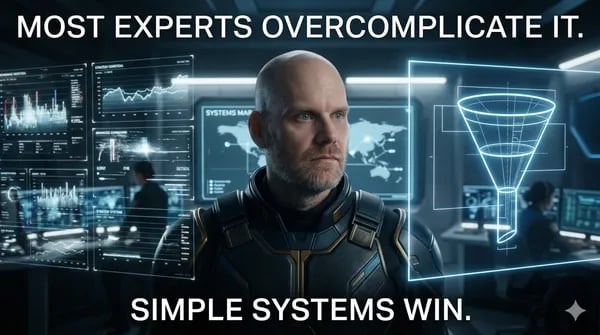



I begin with a contrarian stance on online business that challenges the prevailing, exhausting blueprint. You do not need to be everywhere—posting on every platform, building endless funnels, launching courses, and juggling multiple strategies simultaneously. This hustle culture feels productive but often leads to burnout and confusion. In affiliate marketing, the issue isn’t laziness or a lack of motivation but trying to run a business with too many moving parts before having a clear, working system. Complexity is often just procrastination in disguise. The truth is simple: you don’t need more tools or platforms; you need clarity. Knowing exactly who you help, the problem you solve, the result you offer, and the system you want your audience to follow is where momentum begins.
Did You Know?
Only 20% of online businesses succeed in their first year, often because they try to do too much at once instead of focusing on clarity and a simple system.
Source: Small Business Administration
The Burnout Trap of Hustle Culture
I begin with a contrarian stance about online business that the piece I’m summarizing repeatedly emphasizes: you do not need to be everywhere. I push back against the prevailing, often exhausting blueprint that tells you to post on every platform, build five funnels, start a daily podcast, go live every day, send cold DMs, run ads, launch a course, write emails, create a community, and do all of it at once. This hustle may feel productive, but it burns people out and creates confusion for beginners.
In the context of learning affiliate marketing, the core issue isn’t laziness, lack of motivation, or the need for another digital course. The deeper problem is attempting to run a business with too many moving parts before there is a solid, working system in place. I reject the belief that more is required before you can see results—more content, more tools, more platforms, more complexity. Complexity, in fact, is often just procrastination wearing a tactical vest. The truth I insist on is simple: you don’t need more moving parts; you need more clarity. Specifically, you must know who you help, what problem you solve, what result you help them achieve, and what system you want them to follow next. This clarity is where momentum begins.
Beginners often stay stuck because they start with tactics and chase questions like which platform to use, which funnel to build, which AI tool to buy, which post format works best, or which hack is trending. These questions aren’t useless by themselves, but they’re out of order. When your message is unclear, every tool feels broken. When your offer is unclear, every post feels random. When your system is unclear, every day feels heavy. The consequence is a lot of busy work that yields little to nothing, which is why some people conclude that affiliate marketing doesn’t work. More often than not, what they really mean is that they never built a simple, repeatable system.

As shown in the chart above, energy and focus sharply decline as more platforms and tactics are added. Starting with one platform keeps workload manageable, but trying to juggle five platforms plus funnels, emails, and daily content quickly reaches unsustainable levels of exhaustion. The so-called hustle culture promotes overwhelming strategies that leave beginners drained and disoriented, chasing every new idea instead of building real progress.
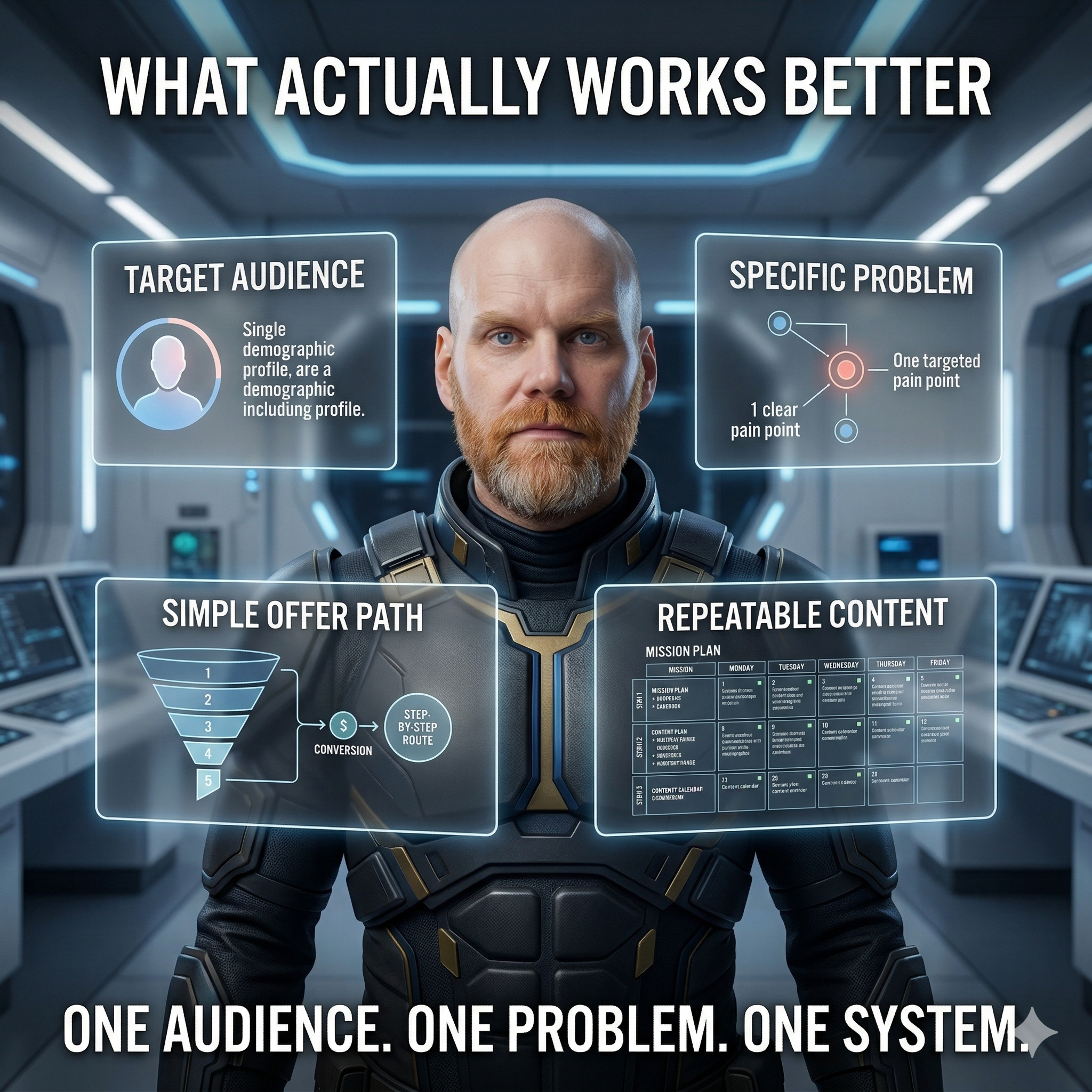
What actually works better is to stop chasing dominance of the internet in week one and focus on four core areas instead. First, choose one audience: pick a single, specific type of person rather than “everyone who wants to make money online.” Examples include active-duty military members who want extra income, veterans starting an online business from home, or beginners using AI to simplify affiliate marketing. This sharpens content and makes your message feel targeted rather than sprayed into the digital wind.
Second, identify one clear problem your audience wants to solve—whether it’s getting traction, converting clicks to sales, overcoming overwhelm, staying consistent, or starting without a big investment. Focusing on a real problem makes content useful instead of generic. Third, offer one simple next step such as joining your email list, watching your training, grabbing a checklist, or starting with a system you recommend.
Fourth, follow one repeatable content system. This is the part most people skip, relying on fleeting motivation. Instead, I advocate a straightforward, repeatable schedule: one weekly blog post, three short-form posts derived from that blog, one email built from the same idea, and one call to action tied to your offer. When executed with discipline, this system compounds content, keeps your message consistent, and builds authority over time.
I share this core belief: beginners win faster when they simplify, and the best online business systems are boring in the best possible way. They are clear, repeatable, focused, and easy to maintain. That might not sound flashy, but flashy does not pay the bills; a solid system does. If I were advising someone learning affiliate marketing for beginners, I would urge them not to chase every tactic, not to rebuild their business every week, and not to confuse consumption with progress. Pick one message, one audience, one traffic strategy, and one offer path—and repeat it until the results catch up.
The reality I emphasize is harsh but necessary: most people are not one funnel away; they are one clear message away, one consistent month away, and one simple system away. That is why I push for clarity, because clarity makes action easier, and action, not hype or guru theater, creates proof.
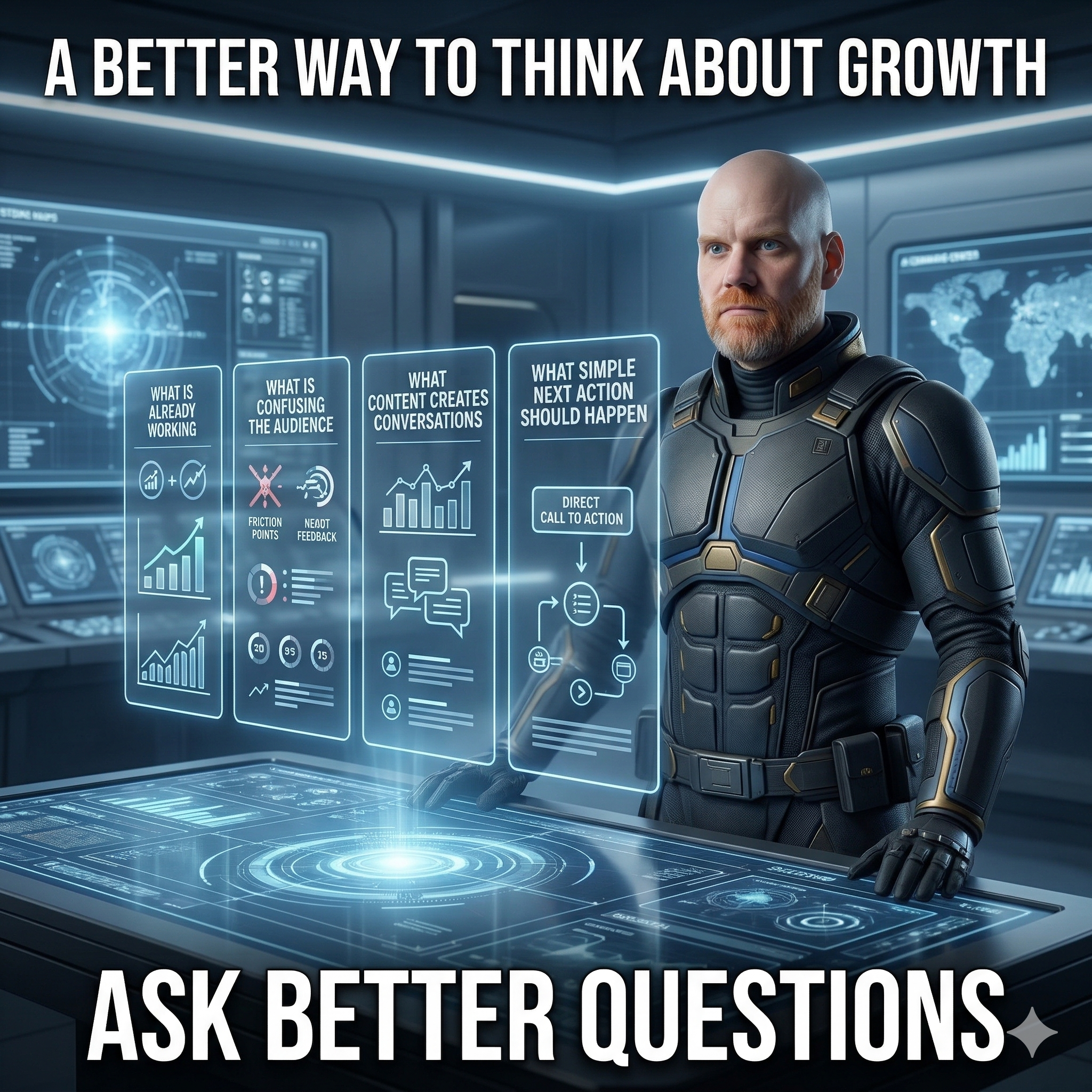
A better mindset is to stop asking how to do more and start asking better questions: What is already working that I can repeat? What is confusing my audience right now? What content actually leads to conversations? What simple action do I want people to take next? What can I remove to make this easier to sustain? This approach helps growth without burnout and builds a business that fits life rather than consumes it.
In closing this discussion on hustle culture, I offer a practical takeaway: if you feel overwhelmed, it doesn't mean failure. It means you’ve been handed a playbook with too many moving parts. The remedy is to strip it down, get clear, and build one simple system you can actually follow. Momentum pursued consistently turns into income. The call to action is direct and actionable: want to stop overcomplicating your business? Start with one clear system, one clear message, and one clear path your audience can follow. This singular, repeatable approach is the antidote to burnout and confusion that plague many beginners.
Why Beginners Get Stuck
Many beginners in affiliate marketing falter not because they lack effort or resources, but because they try to do too much, too soon. The common advice to be everywhere at once—to post on every platform, launch multiple funnels, and juggle countless tactics—often leads to overwhelm and stagnation. Instead of making progress, beginners get tangled in a web of out-of-order questions like: Which social platform guarantees success? What’s the latest funnel hack? Which AI tool will automate my work? These questions may feel important but addressing them prematurely causes confusion.
Without a clear and simple framework, every tool seems broken, and every post feels random. When beginners haven't first defined their target audience, clarified their offer, or committed to a single platform, they end up scattered and exhausted. Busy work abounds, yet measurable results rarely follow. This is why the myth that “affiliate marketing doesn’t work” gains traction—it’s not the industry failing newcomers, but the absence of a focused, repeatable system.
The root problem is complexity disguised as progress. Beginners pile on tactics and platforms, hoping more will help, but complexity actually becomes a form of procrastination. Instead of building more moving parts, focus is needed on fewer, clear components. Clarity on whom you help, the problem you solve, and the next step your audience should take creates momentum. This clarity is what transforms confusion into consistent results.
Here’s an example to illustrate the typical beginner’s struggle and the path forward through a simple coding analogy. Imagine an affiliate marketing system that checks if you’ve defined your target audience, crafted a clear offer, and selected a distribution plan. Without these essentials, the system won’t move forward, much like beginners who try tactics without solid foundations. Once those stepping stones are in place, the focus shifts to creating consistent content that guides your audience toward the offer. This straightforward system eliminates overwhelm by prioritizing foundational clarity above all else.
Many affiliate marketing education platforms like ClickBank University and Wealthy Affiliate reinforce the importance of starting with core principles rather than multiplying efforts across platforms. Their training emphasizes that rushing into multiple funnels or chasing viral posts before knowing your audience is the fastest route to burnout.
In essence, beginners get stuck because they try to sprint before they learn to walk. The temptation to master every tactic can feel like progress, but without a cohesive, well-ordered plan, it leads only to frustration. Embracing simplicity and sequence ensures you build a business that grows sustainably without exhausting yourself in the process.
The Four Core Focus Areas
Success in online business doesn’t come from being everywhere at once. Instead, a strategic focus on four core areas delivers clarity and momentum that drive real results. These four pillars simplify your approach and ensure every effort moves you closer to your goal. They are: One Audience, One Problem, One Simple Offer Path, and One Repeatable Content System.
One Audience
Building your business starts with identifying one specific audience. This means choosing a group of people who share common needs, challenges, or desires. The key is precision—avoid vague targeting or trying to appeal to everyone. By focusing on one audience, your message becomes sharper and resonates deeply, making it easier to attract and engage.
For example, instead of targeting “anyone interested in fitness,” narrow down to “busy professionals looking to fit quick workouts into their daily routine.” This clarity prevents scattering effort and builds trust with potential customers who feel understood.
One Problem
After defining your audience, identify one core problem they face. This problem should be significant enough that solving it creates clear value. Tackling many problems at once dilutes your impact. Instead, zero in on the single most painful challenge to help your audience overcome.
Taking the fitness example further, the core problem might be “lack of time to exercise consistently.” Clearly stating this problem sets the stage for providing a focused solution that feels relevant and urgent to your audience.
One Simple Offer Path
Your offer path is the straightforward journey you guide your audience through to solve that one problem. It includes the product, service, or solution you provide and the steps people take to achieve the desired result. Complexity here creates confusion and stalls progress.
A simple offer path is easy to explain and easy for your audience to understand and follow. It might involve offering an affordable starter guide, a step-by-step video course, or a consultation that directly addresses their problem. A clear path eliminates guesswork and builds confidence in your business.
One Repeatable Content System
Consistent content is the fuel that drives an online business forward. But not just any content—content that supports your one audience, one problem, and one offer path. Create a simple, repeatable system for delivering valuable content that educates, inspires, and nudges your audience toward your solution.
This system should be manageable enough to maintain without burnout and adaptable to your strengths. It could be weekly blog posts, short videos, or email newsletters. The key is repetition and alignment with your core focus areas to build momentum.
By uniting these four focus areas—one audience, one problem, one simple offer path, and one repeatable content system—you cut through the noise and confusion. This clarity transforms busywork into meaningful progress. To illustrate, here is an example of how a simple content system can be coded to center on these focus areas:
Choosing the right tools can also support this focused approach. Kajabi, ClickFunnels, and ConvertKit each offer different strengths for executing your core focus areas. Kajabi integrates courses and content well, ClickFunnels excels at building customizable sales funnels, and ConvertKit focuses on email automation with an easy interface. Here is a comparison to help you consider which platform aligns with maintaining clarity and simplicity in your business:
Building a Sustainable Online Business
Building a sustainable online business isn't about spreading yourself thin across every platform or chasing every shiny new marketing tactic. The real key is simplicity. When your business model is simple and focused, you eliminate the noise, reduce overwhelm, and create space for consistent, meaningful action. This clarity transforms your efforts from random hustling into a powerful, repeatable system that delivers results.
The foundation of this clarity begins with defining your message and target audience precisely. Who are you helping? What specific problem do you solve for them? How do you guide them to the results they desire? For example, if you're targeting aspiring affiliate marketers, your message should clearly state how you help them build a simple, repeatable system to earn passive income. When you know exactly who you serve and what you offer, every piece of content, every interaction, and every campaign flows naturally towards that purpose.
Many beginners fall into the trap of starting with tactics: selecting the right platform, jumping between tools like Funnel Freedom, or testing trendy post formats without a clear direction. This tactical chase often leads to burnout because the underlying system isn’t defined. If your offer and message aren’t crystal clear, no amount of posting or tool-switching will produce momentum. Instead, prioritize your core system before adding complexity.
Consistent action is the multiplier in your business growth. It’s not about sporadic bursts of energy or doing everything at once. It’s about daily, focused progress—like creating one targeted piece of content, engaging genuinely with your niche audience, or refining your offer based on feedback. Over time, these small steps compound into sustainable success.
Here’s a simple way to visualize this approach in code. It demonstrates how defining your target audience and message, then committing to consistent daily actions, sets up a sustainable workflow:
By narrowing your focus to a defined audience and a clear message, every action becomes purposeful. Tools like ConvertKit for email marketing, Notion for content planning, or Buffer for scheduled social media posting can help amplify your consistent efforts without causing unnecessary complexity. The point is not to use all tools but to master a few aligned with your simple system.
This approach counters the myth that being everywhere equals success. Instead, it champions the idea that being everywhere unfocused leads to burnout. Sustainable business growth rests on clear intent, a targeted message, and steady, deliberate action. When you build this rhythm, results follow naturally, and your business gains momentum that’s both scalable and manageable for the long term.
Mindset Shift for Growth
Growth doesn’t mean doing more. The first question to replace isn’t “How can I do more?” but rather, “What is the essential system I need to succeed?” Overwhelm comes from chasing every tactic or platform—posting everywhere, juggling ads, emails, podcasts, and social media—before having clarity on your core message and offer.
Reframing growth as sustainable rather than frantic helps steer your energy toward building a business that lasts. Instead of multiplying channels, multiply clarity. Ask yourself: Who exactly do I help? What problem do I solve uniquely? What specific result do I want to deliver, and what simple next step do I want my audience to take?
Clarity about these elements creates momentum. When your message is clear, you’ll find the right audience without stretching yourself thin. This mindset reduces burnout and confusion, replacing the “busy work” with purposeful action that feeds a repeatable system. That system is your path to meaningful, scalable growth.
Business icons like Neil Patel and platforms like ConvertKit emphasize that growth is about focus and clarity, not complexity or volume. ConvertKit’s approach to email marketing, for example, focuses specifically on building a loyal subscriber base with consistent messaging rather than spamming every channel simultaneously.
By prioritizing clarity, you directly impact your growth strategy’s effectiveness. Rather than wondering which AI tool or funnel hack to chase next, build a simple, repeatable system that turns clear messaging into action. This mindset frees you to invest in deepening your connection with your audience and delivering a consistent value-driven experience.
The real magic happens when you shift your mindset from “doing more” to “doing focused better.” This aligns your efforts, builds confidence, and establishes a strong foundation for sustainable success.
Frequently Asked Questions
Many wonder if it's truly possible to succeed in an online business without spreading themselves thin or burning out. The answer lies in clarity, not more effort. By focusing on who you help and the problem you solve, you build momentum with less complexity and a sustainable pace.
Finding your niche audience starts with pinpointing the specific issue you want to address or the change you want to create. Use tools like Google Trends and niche forums to discover where your target audience engages. The goal isn't to appeal to everyone but to connect deeply with a focused group who values your unique solution.
A common concern is the lack of budget for ads. Fortunately, paid ads aren't necessary to succeed. Organic growth strategies—such as consistently delivering valuable content, refining your message, and engaging authentically on a few select platforms—help you build trust and attract your ideal audience naturally over time.
Is it really possible to succeed with minimal effort? ▼
How do I find my niche audience? ▼
What if I don’t have a budget for ads? ▼
Conclusion
I begin with a contrarian stance about online business that the piece I’m summarizing repeatedly emphasizes you do not need to be everywhere. I push back against the prevailing, often exhausting blueprint that tells you to post on every platform, build five funnels, start a daily podcast, go live every day, send cold DMs, run ads, launch a course, write emails, create a community, and do all of it at once. This hustle may feel productive, but it burns people out and creates confusion for beginners. The core issue isn’t laziness or motivation but trying to run a business with too many moving parts before you have a solid system. Complexity is often procrastination in disguise. What you really need is clarity: know your audience, their problem, the result you offer, and a simple system to guide them.
Beginners often stay stuck chasing tactics—platforms, funnels, AI tools—out of order. When your message and system are unclear, every tool and post feels broken or random. The solution: stop chasing overwhelming internet dominance and focus on four core areas—one audience, one problem, one simple offer path, and one repeatable content system.
This approach builds momentum sustainably. Rather than flashy hustles, a clear, repeatable system like one weekly blog post, three short posts, one email, and one call to action compounds into trust and authority. Simplify, focus, and be consistent. That is how you succeed without burnout in affiliate marketing and online business.
🎯 Key Takeaways from the Conclusion
- → You don’t need to be everywhere; focus on clarity over complexity.
- → Identify one specific audience, problem, offer, and content system.
- → A simple, repeatable system builds momentum and trust faster.
- → Avoid burnout by dropping distractions and hustles that don’t align with your core message.
- → Consistency beats hype: steady action creates proof and sustainable results.
